
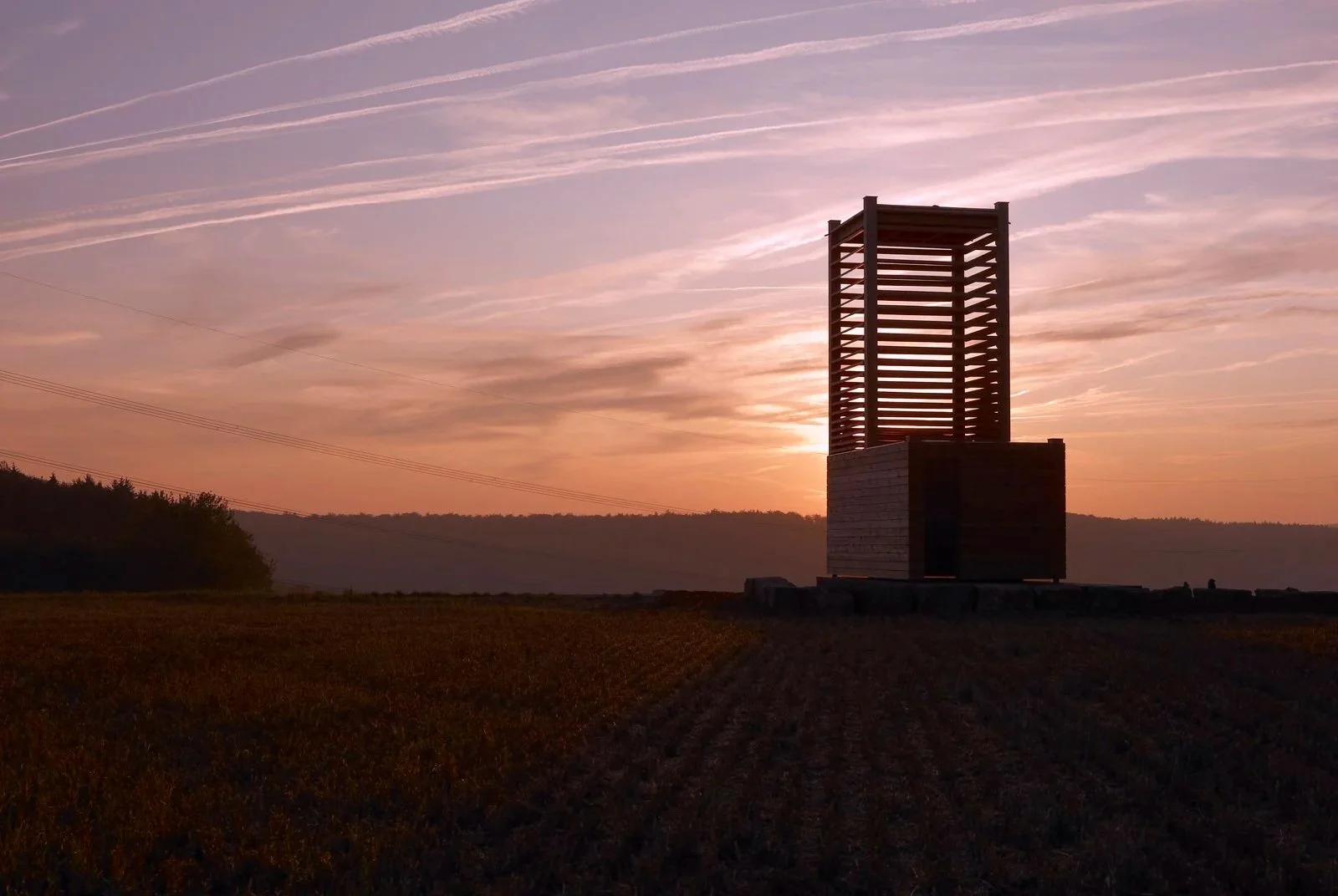
field chapel
bödigheim, buchen (odenwald), germany
in combination with Illinois Institute of Technology & Ecker Architekten
The Field Chapel is a project designed and executed by the students of an Advanced Design/Build Studio at the Illinois Institute of Technology College of Architecture in Chicago for a ecumenical church co-operative in Boedigheim, Germany. Led by Professor Frank Flury, the project was assisted on a pro bono basis by the firm of Ecker Architekten (Buchen, Germany) with the craftsmen, volunteer workers and townspeople of the Odenwald/Bauland, a rural region in northern Baden-Wurttemberg.
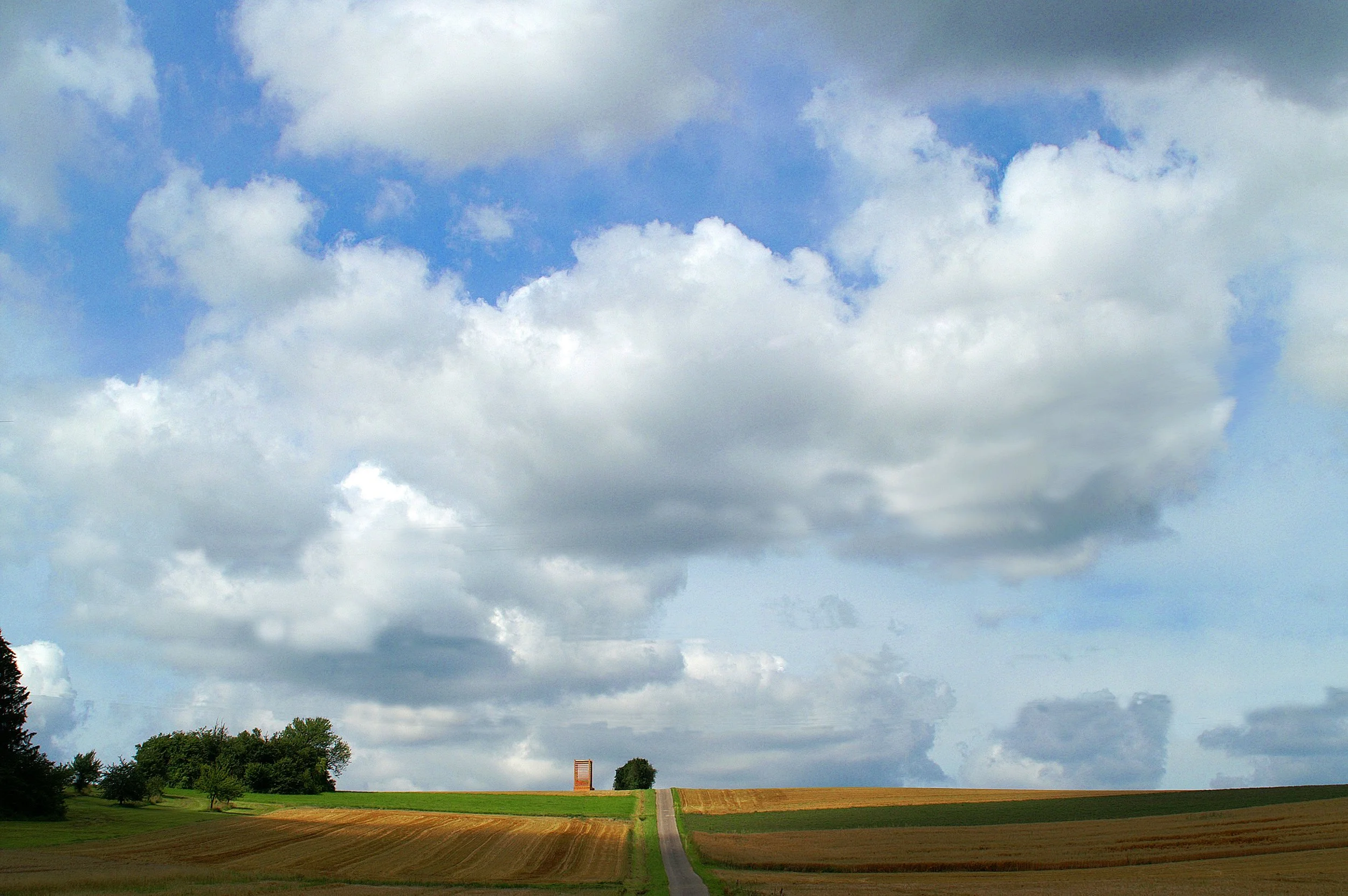
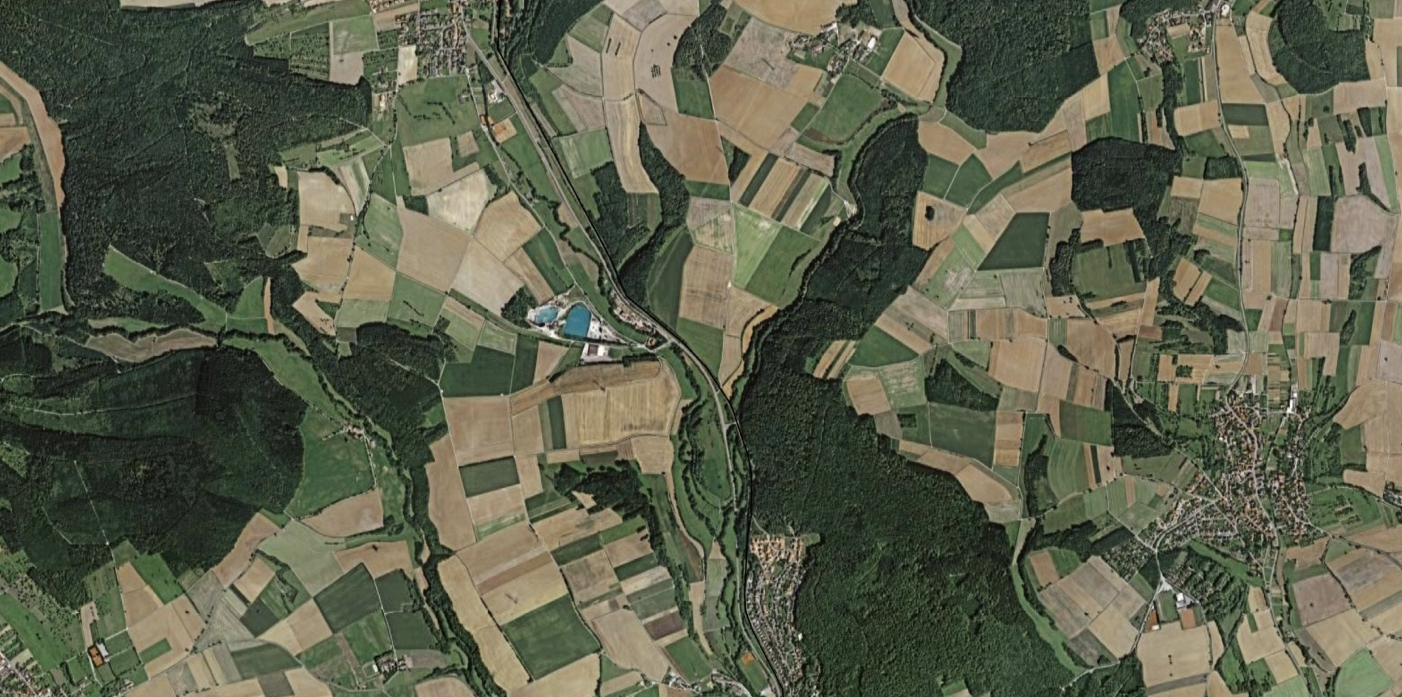
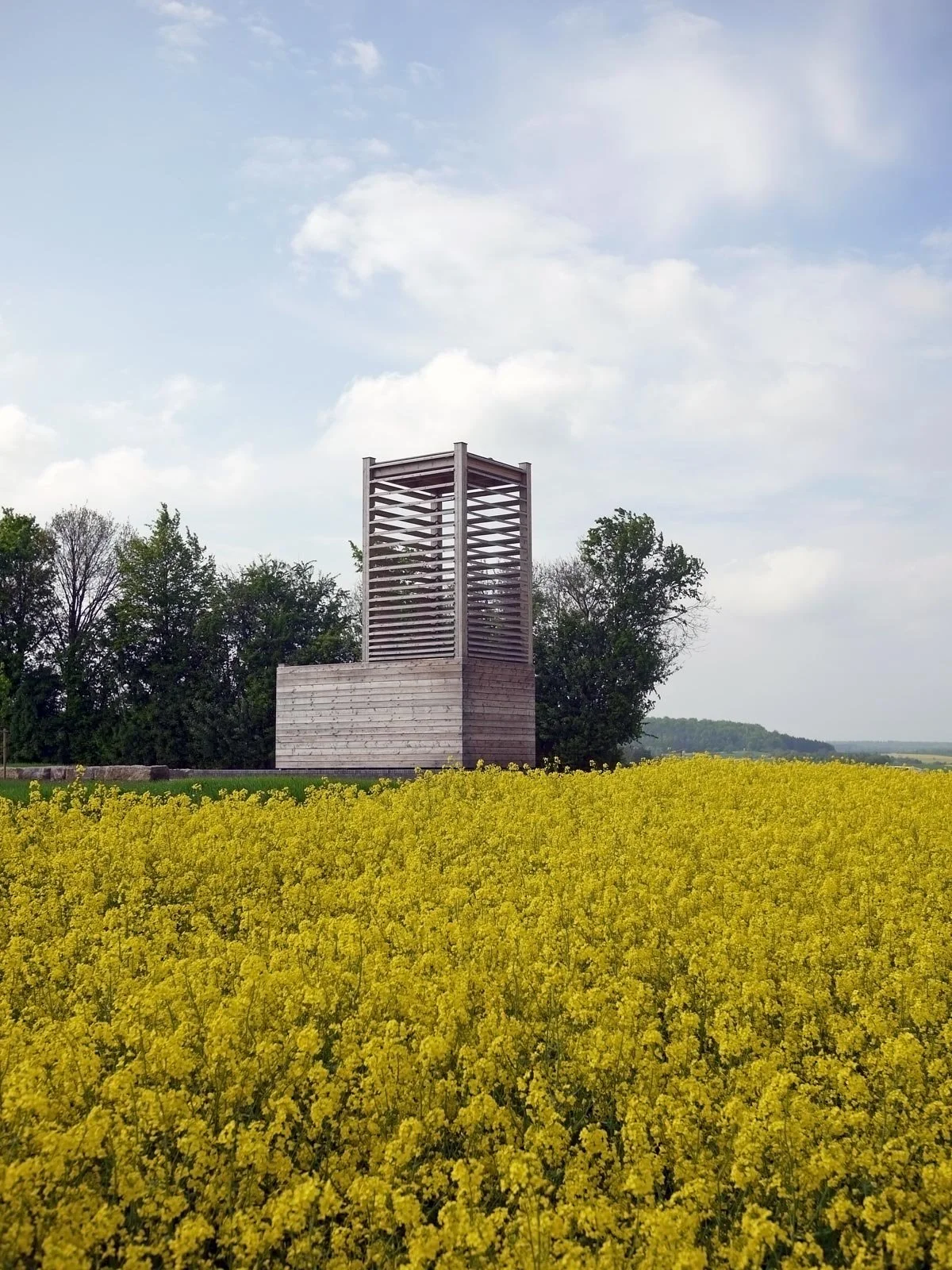
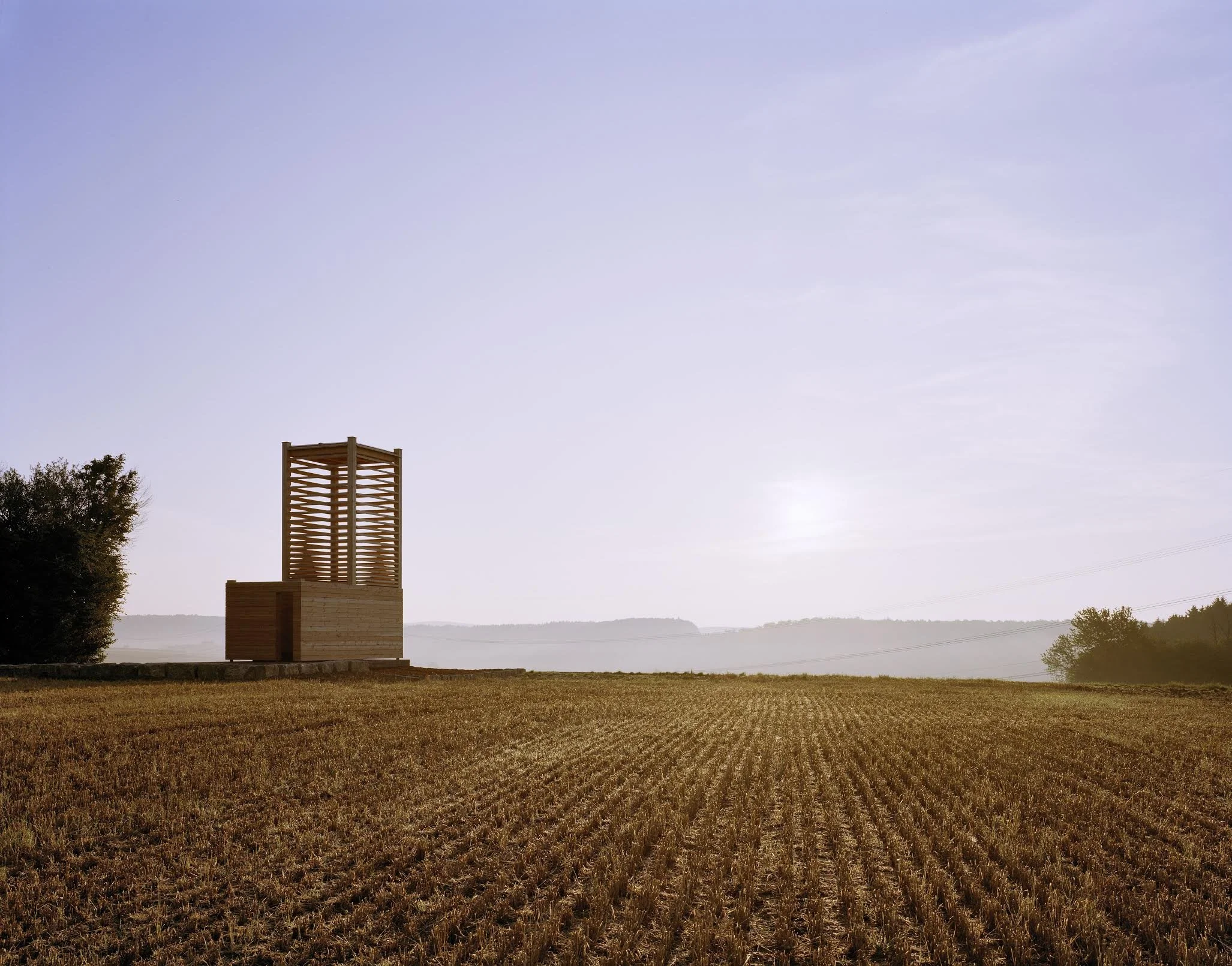
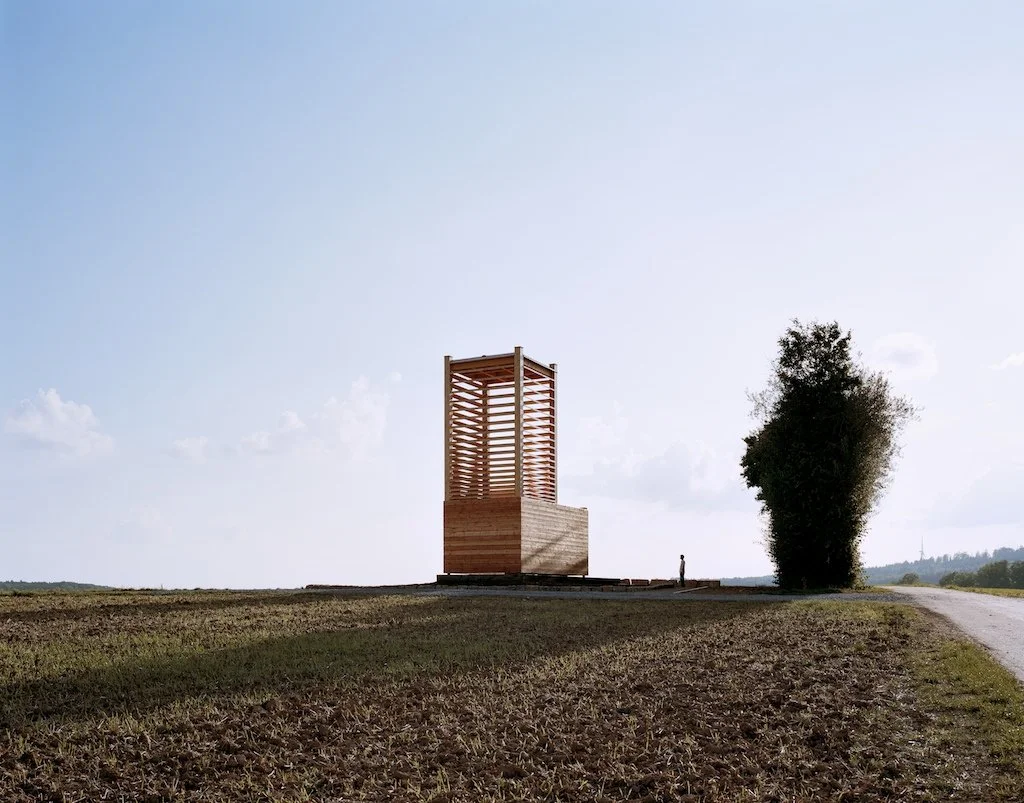
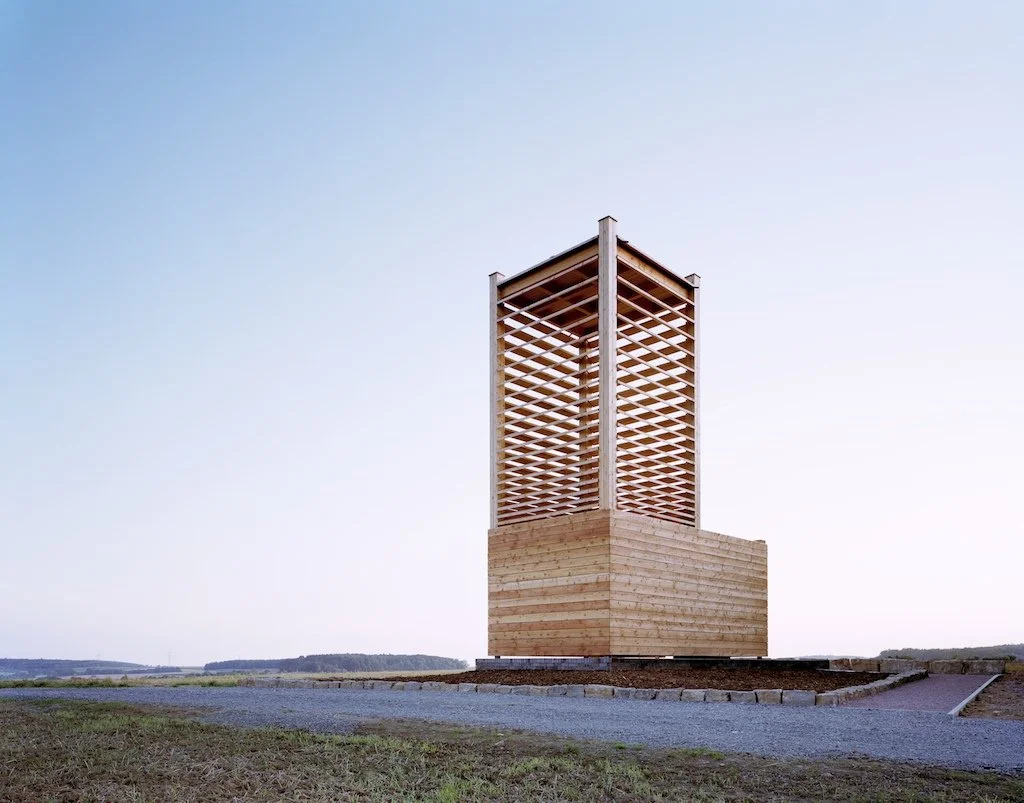
The Field Chapel is a small, contemplative structure situated on a rural hill between the villages of Boedigheim, Seckach, and Großeicholzheim in rural Baden-Württemberg. Set within open farmland and visible from a distance, the chapel is reached only by foot or bicycle, reinforcing its role as a destination approached with intention.
Conceived as an interdenominational place of reflection, it was designed to welcome both spiritual seekers and those simply passing through the landscape, offering moments of quiet pause, shelter, and clarity. Rather than imposing itself on the site, the chapel is shaped by its surroundings, allowing light, weather, and seasonal change to become integral parts of the experience.
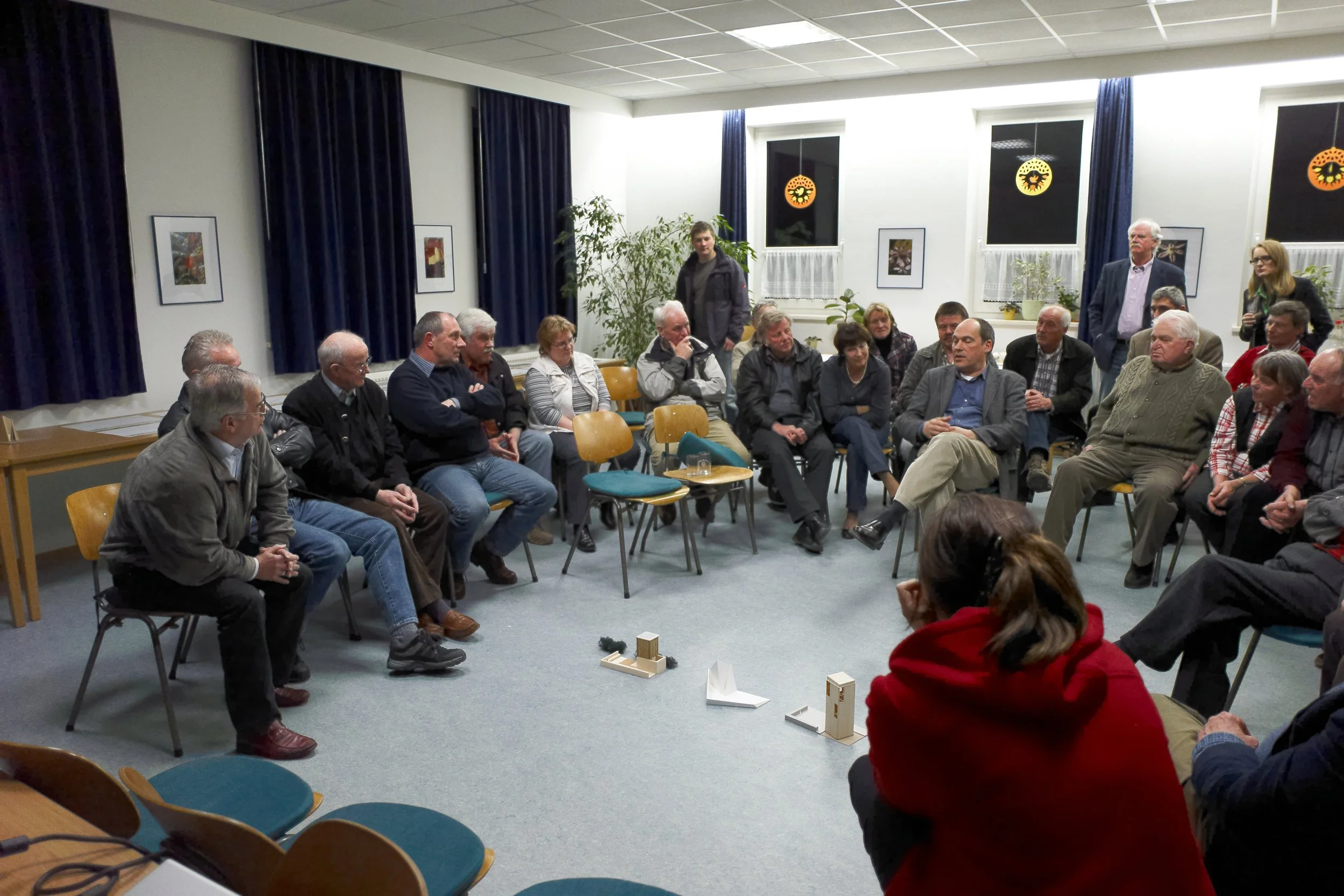
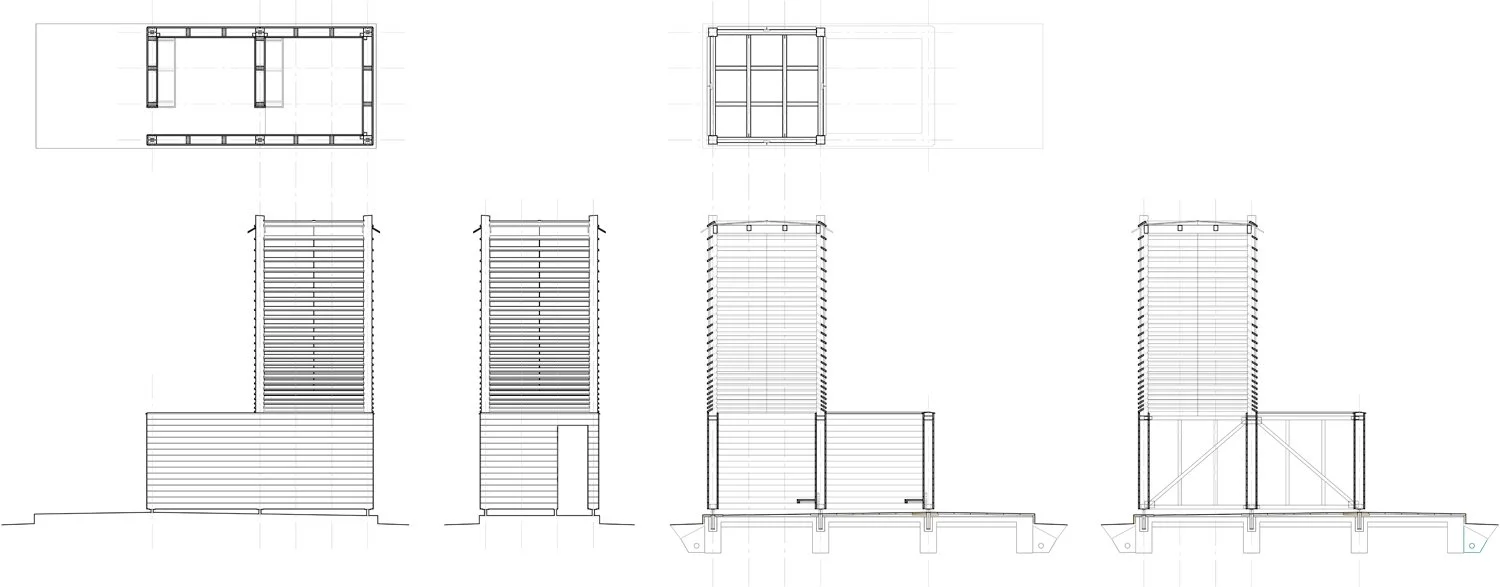
Design development and construction were led by a group of twelve architecture students under the guidance of Professor Frank Flury, working closely with local architects, craftspeople, and townspeople. Prior to arriving on site, the project was thoroughly documented and tested through drawings, physical models, and mockups to ensure clarity of intent and constructability. These studies allowed assembly sequences, tolerances, and material behavior to be resolved in advance.
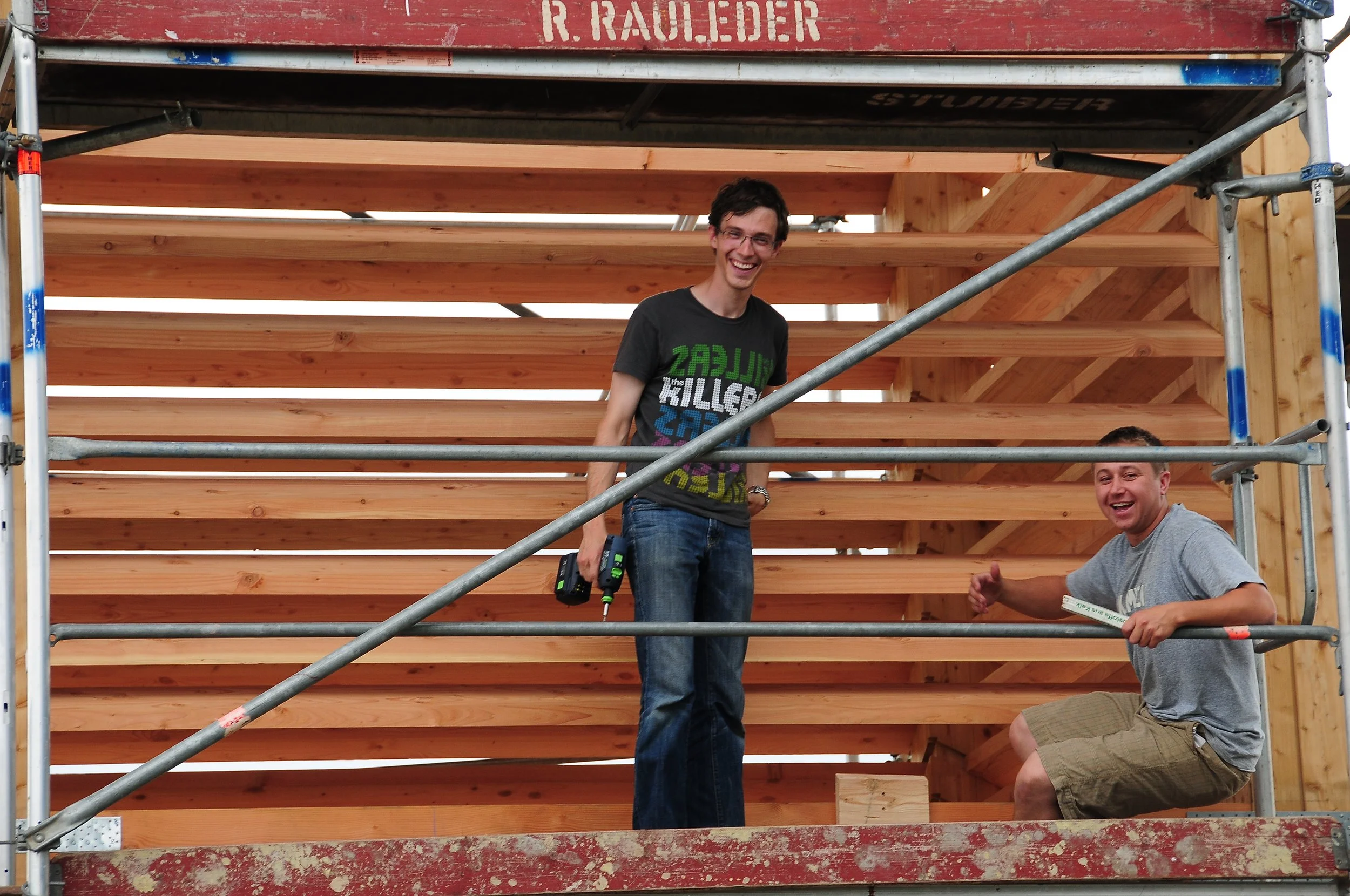
The building was designed, detailed, and fabricated to be constructed within a single three month window during summer, relying on clear documentation, straightforward assembly, material honesty, and a close dialogue between design and making. This preparation allowed construction to proceed efficiently on site, with the team able to focus on execution, coordination, and craft rather than improvisation.
All primary materials were sourced locally and developed in close collaboration with regional craftspeople. Larch timber from nearby municipal forests was used untreated, allowing it to weather naturally over time, while stone, brick, and gravel were reclaimed or quarried within walking distance of the site. With the exception of minimal steel connections, materials were drawn entirely from the surrounding region, reinforcing the chapel’s relationship to place, sustainability & reducing reliance on extended supply chains.
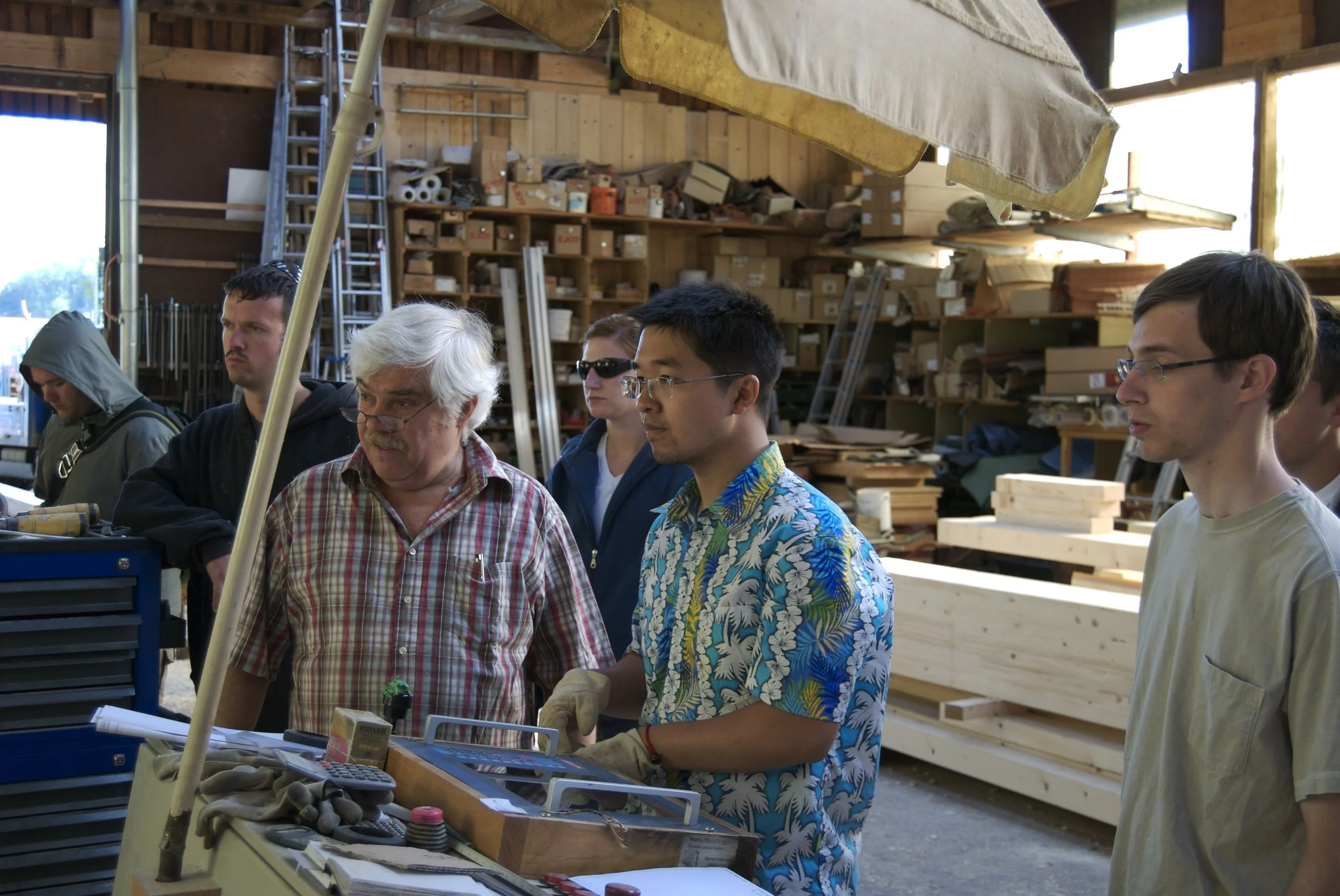
Working in nearby workshops, the team milled and prepared each component alongside experienced carpenters, learning the tools, equipment, and fabrication processes required to translate drawings into buildable parts. Time was spent understanding material behavior, tolerances, and sequencing, ensuring that design intent was matched by constructability.
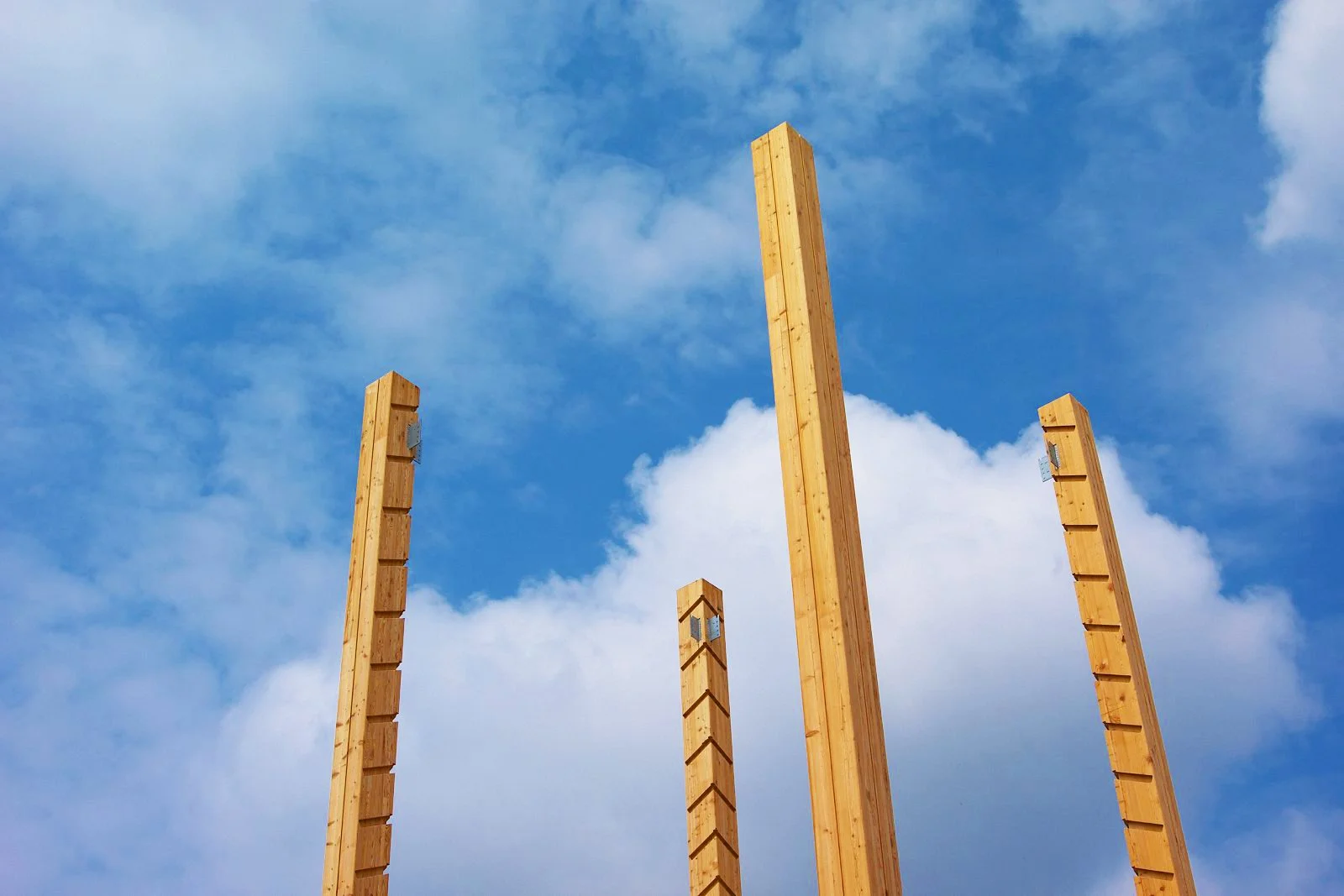
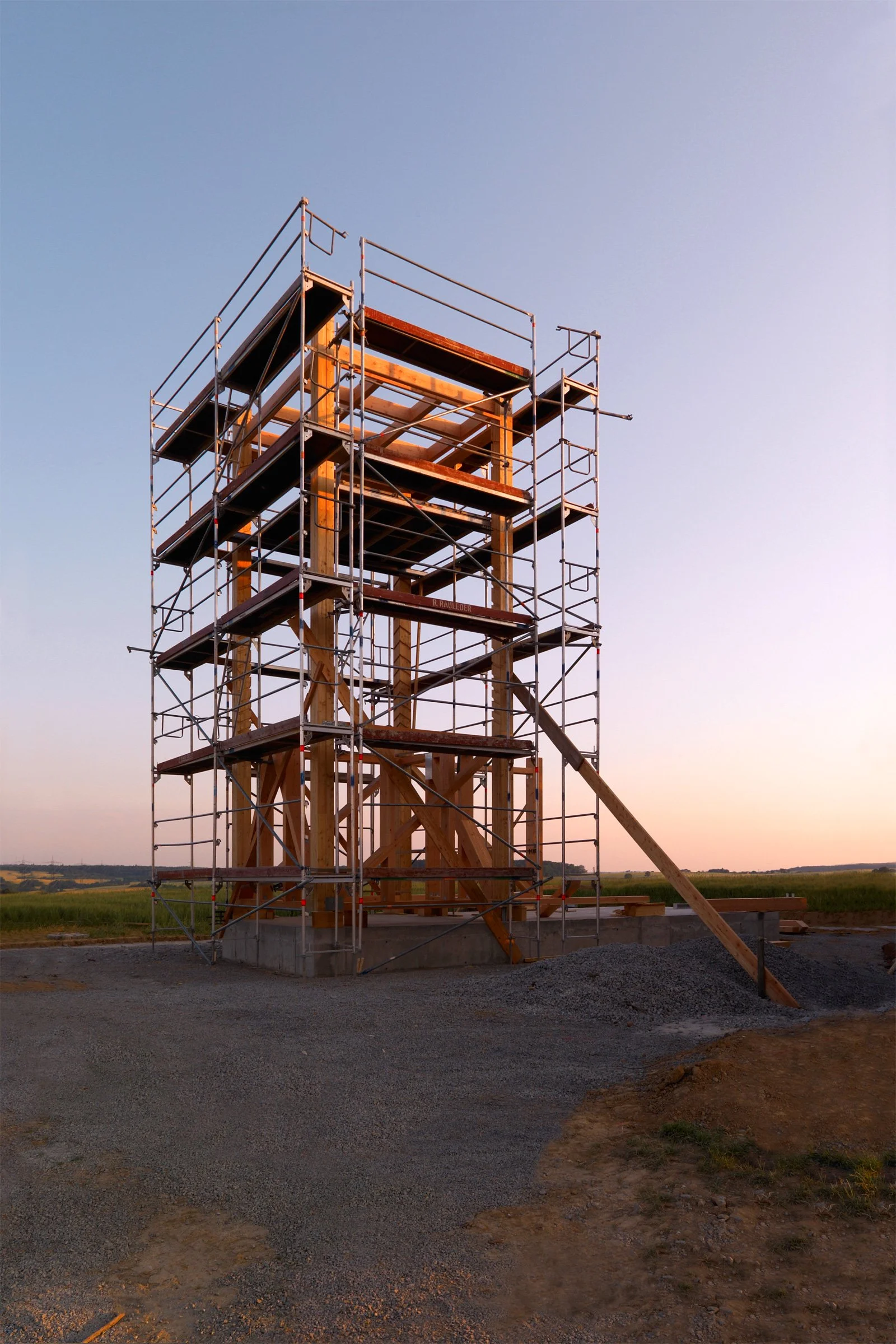
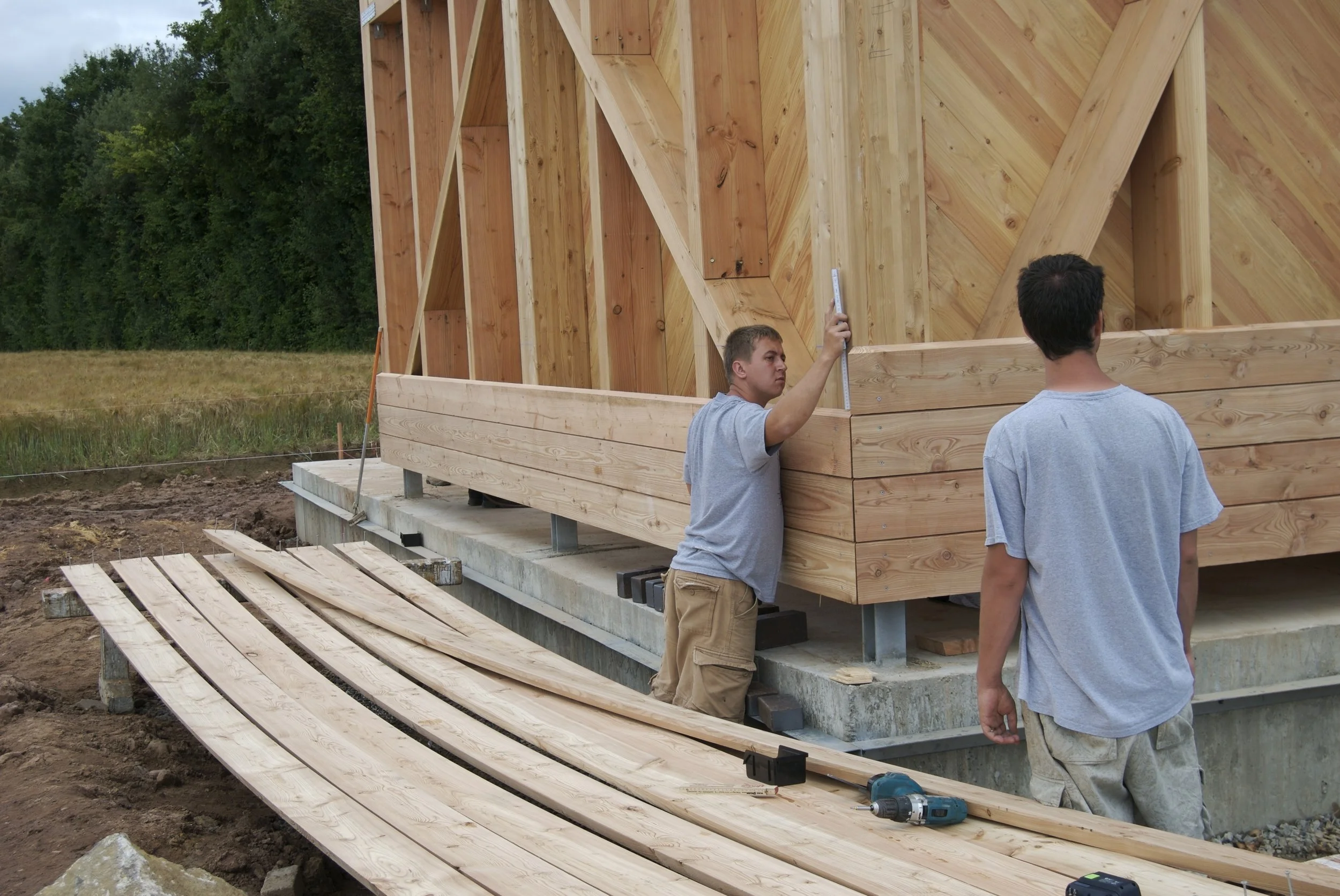
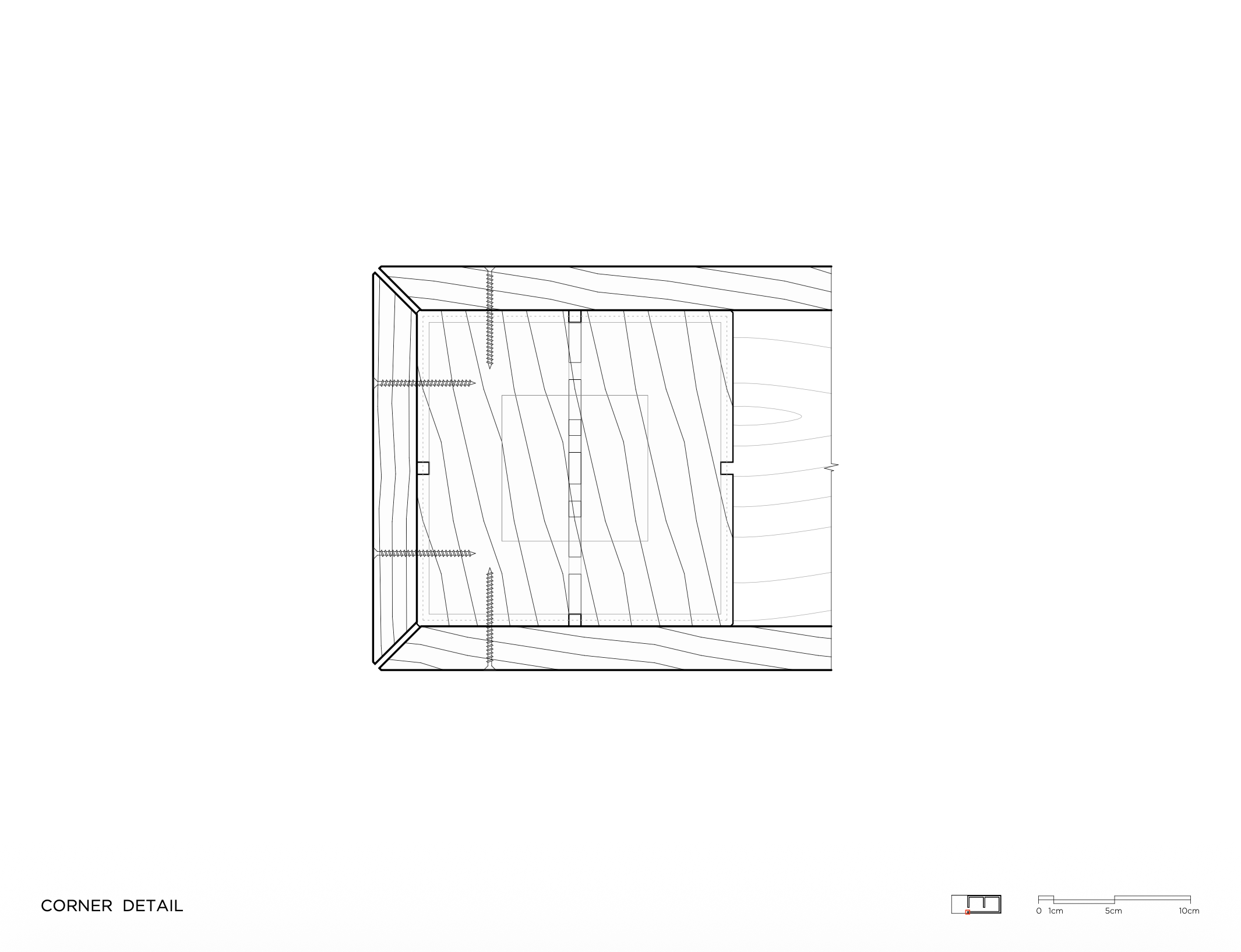
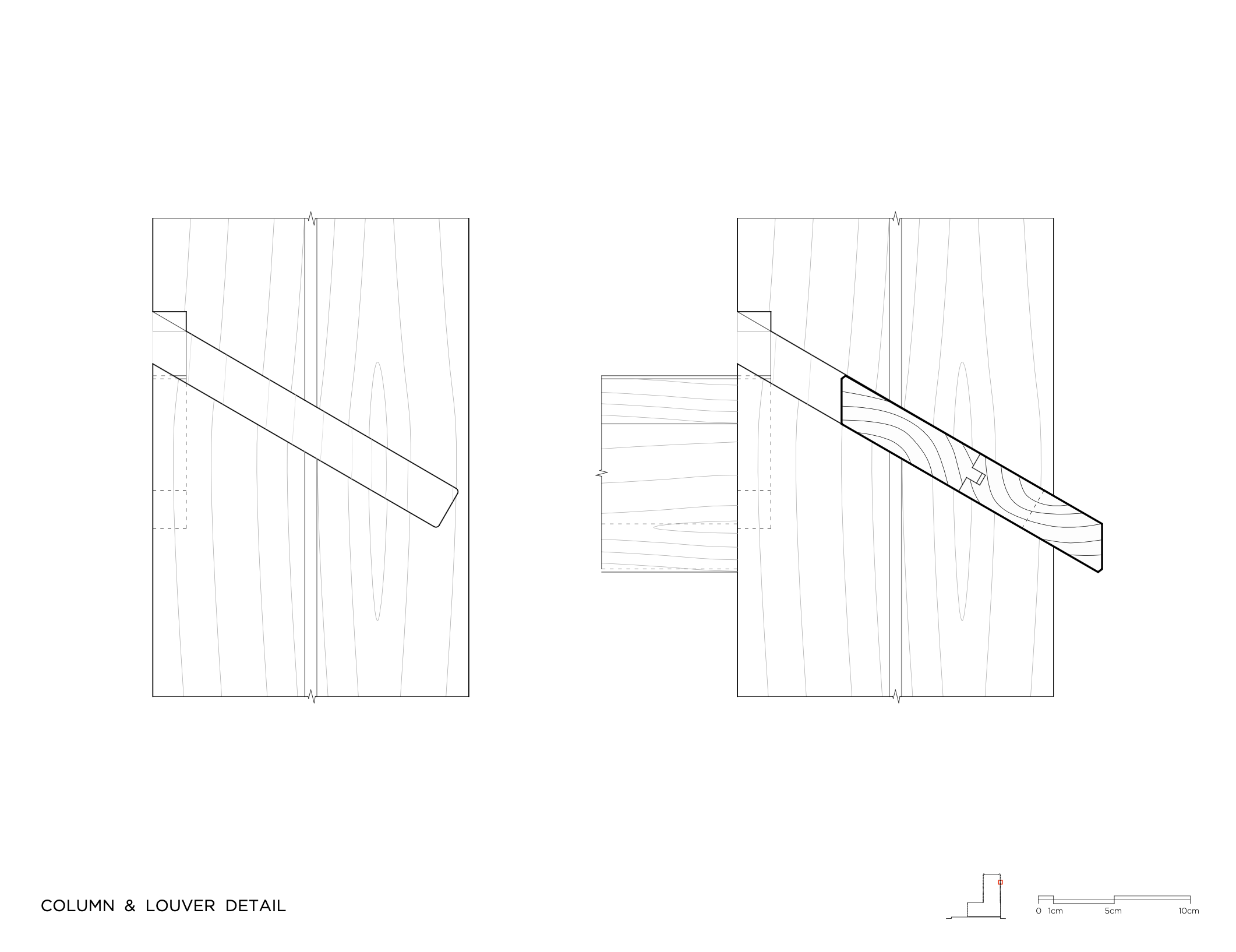
Structural elements were CNC-milled off site to ensure precision, with joinery and assembly sequences resolved in advance through detailed documentation and mockups. This level of preparation allowed construction to proceed efficiently in the field, with components arriving ready for installation and the building shaped through a shared commitment to craft, clarity, and care.
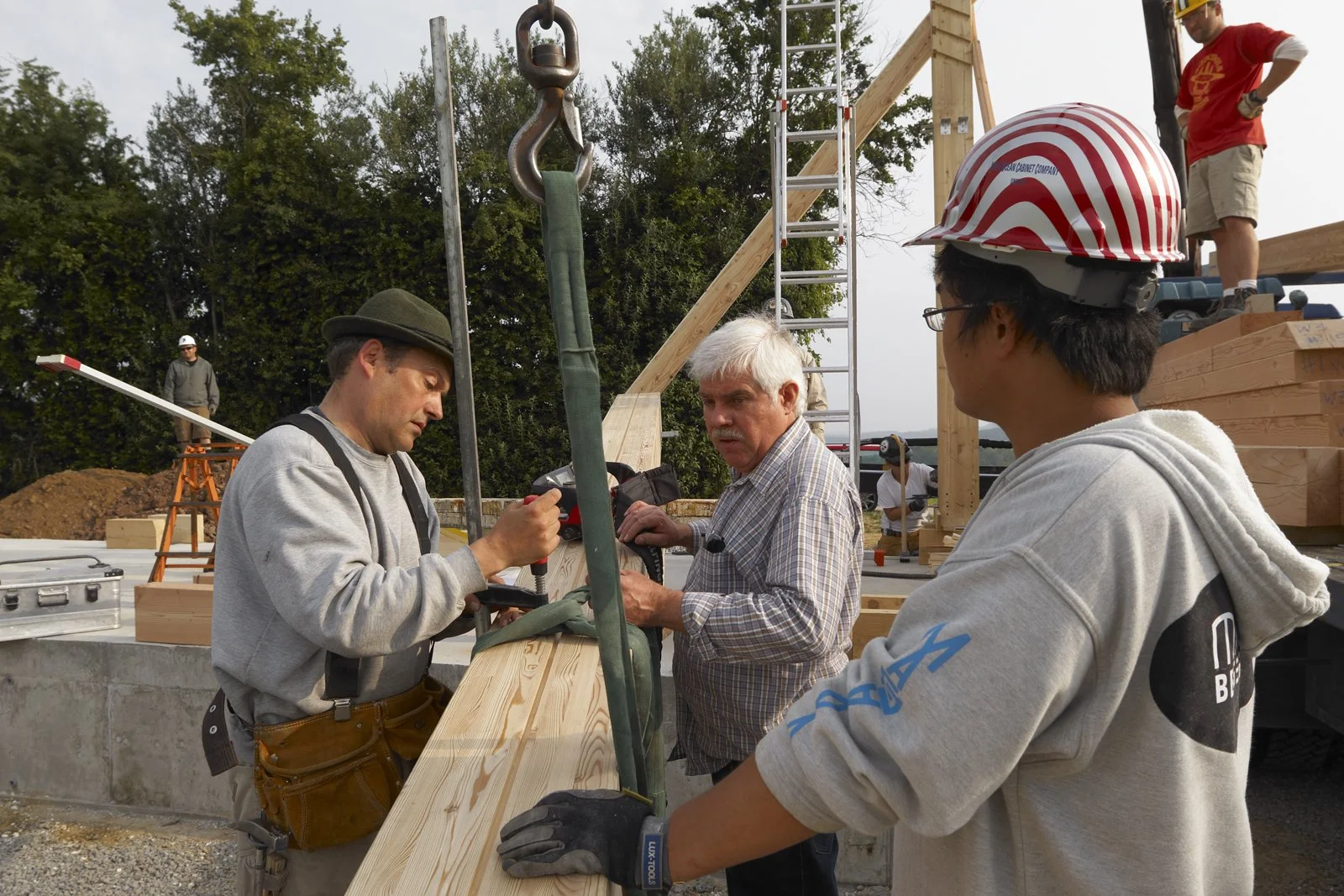
The project emerged through an unusual collaboration between an ecumenical church cooperative, a local architectural practice, and an academic design-build studio. With no initial funding and no owned site, the project began with a clear idea and a strong sense of purpose. Through community trust, volunteer labor & donated local materials, the chapel was realized as a shared civic effort.
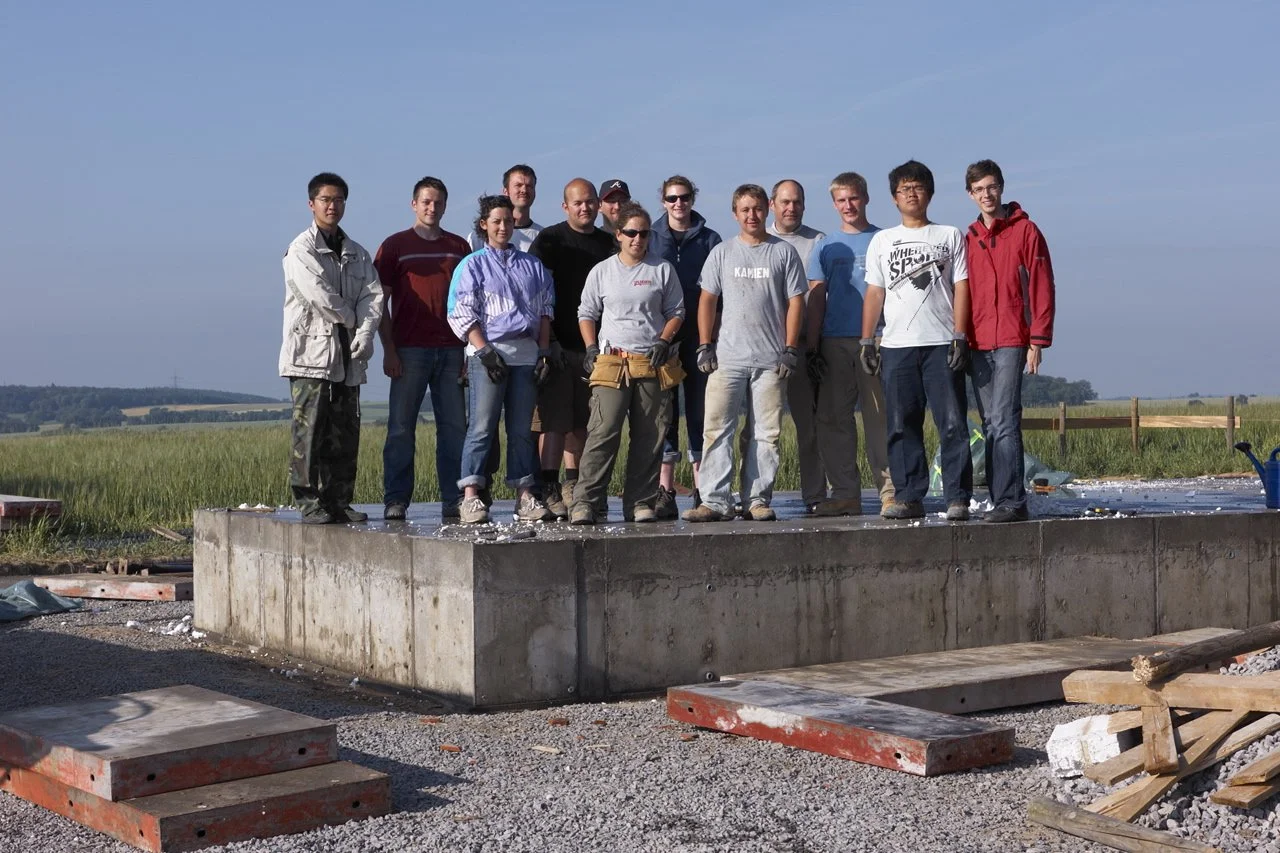
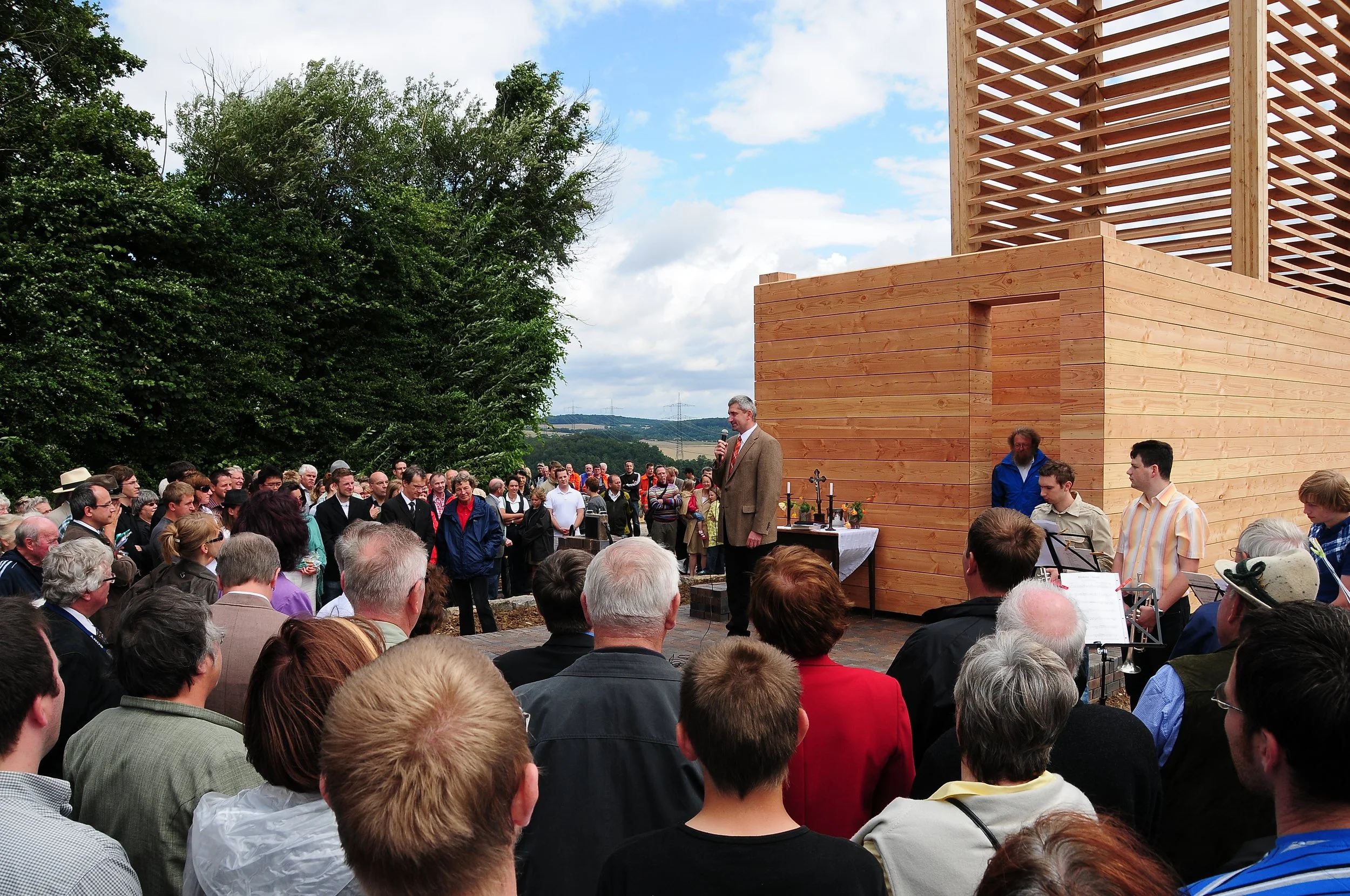
At the dedication ceremony, the town gathered at the edge of the field to mark the completion of the chapel. What had long been a construction site shaped by shared effort was revealed as a finished place, and the procession toward it became part of the ceremony itself.
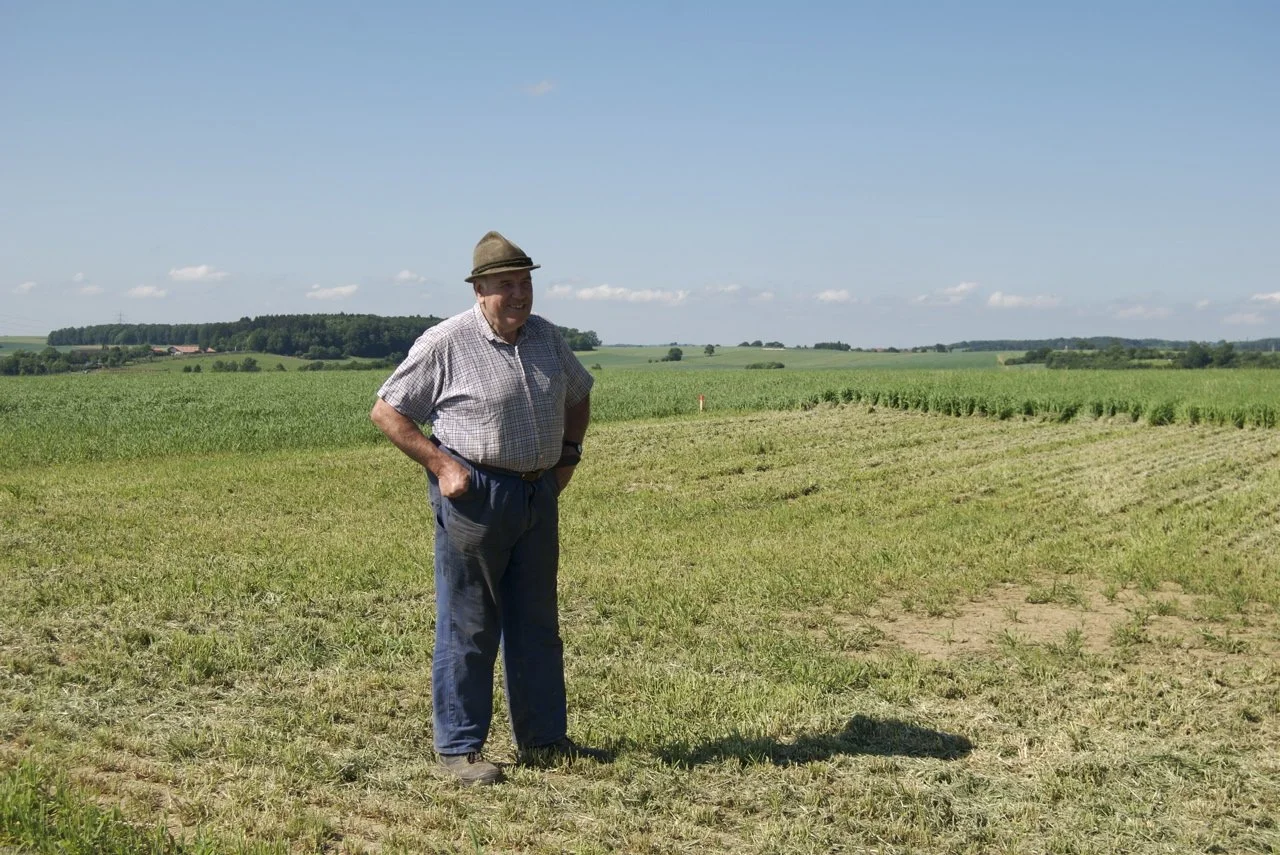
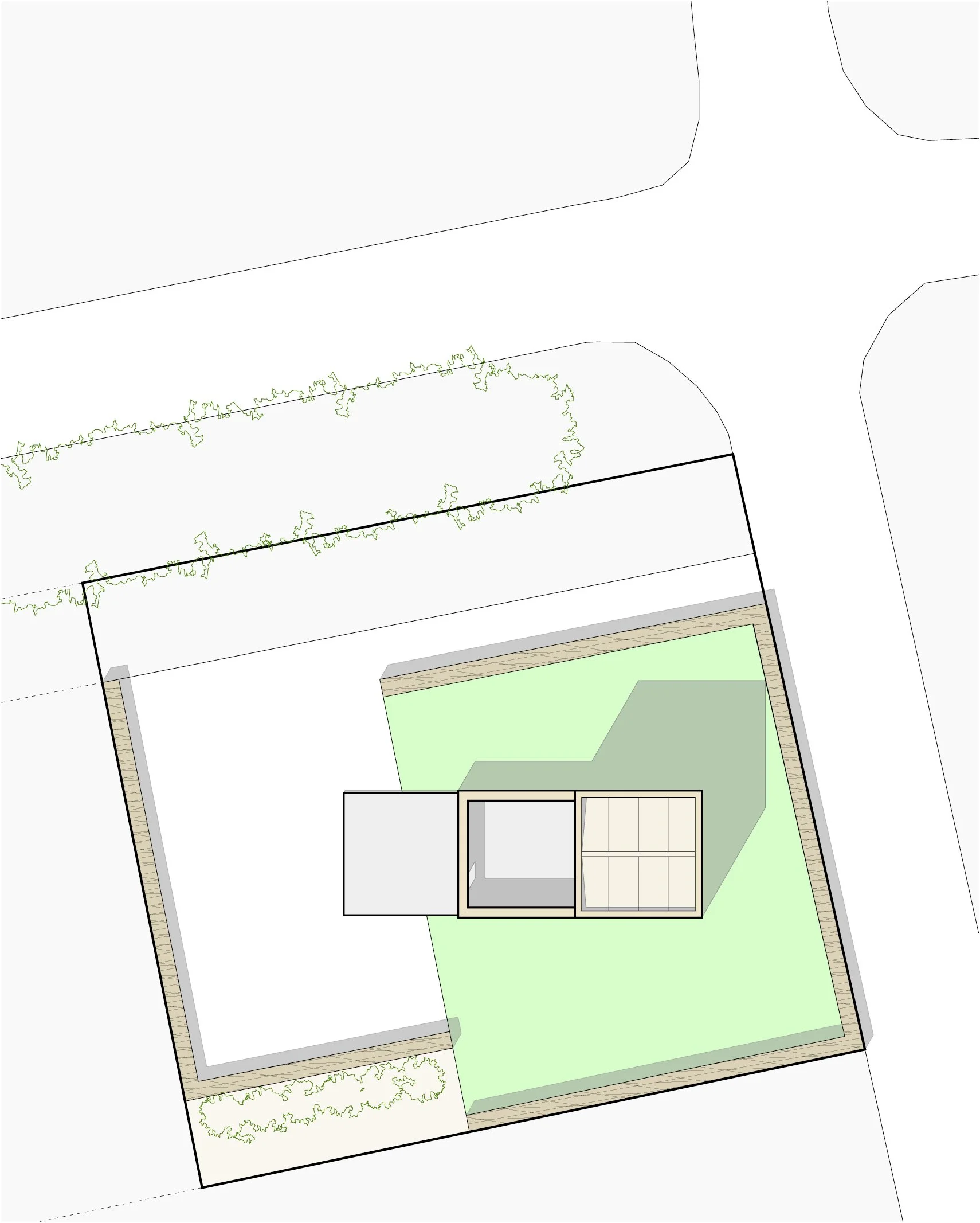
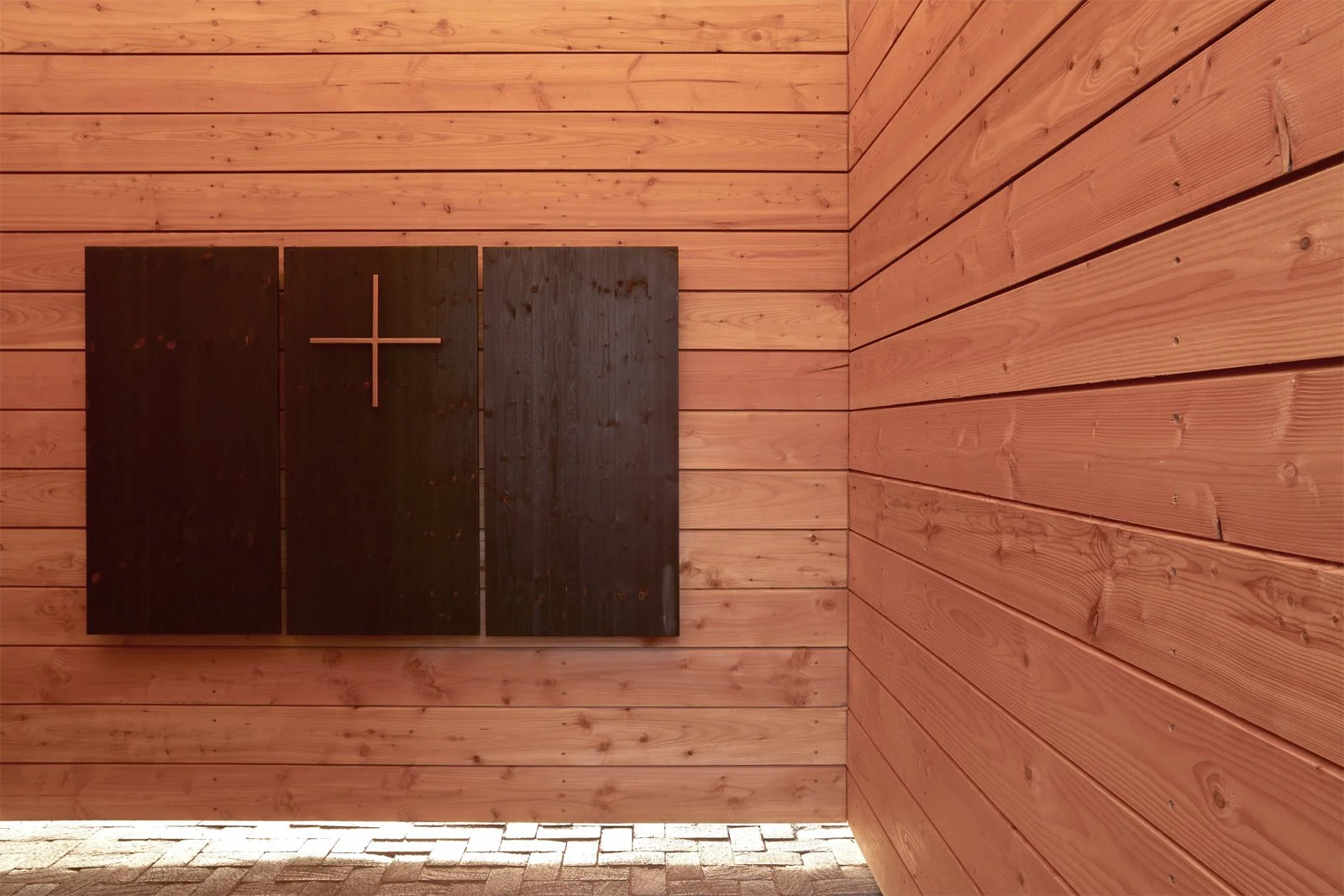
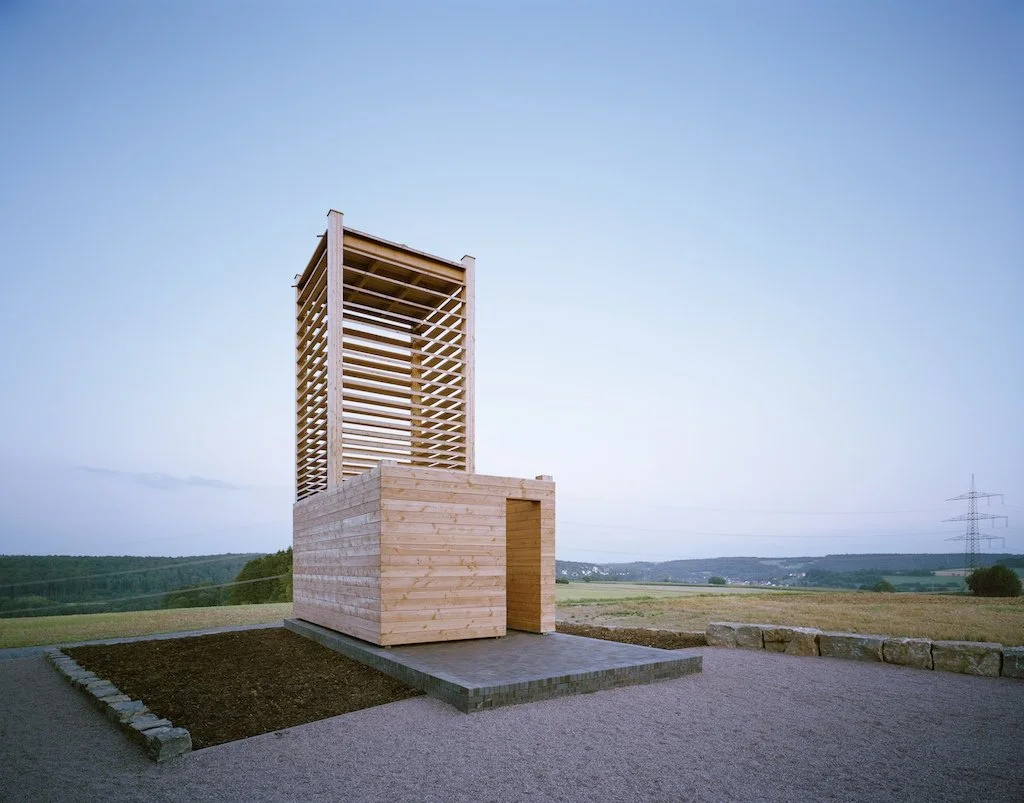
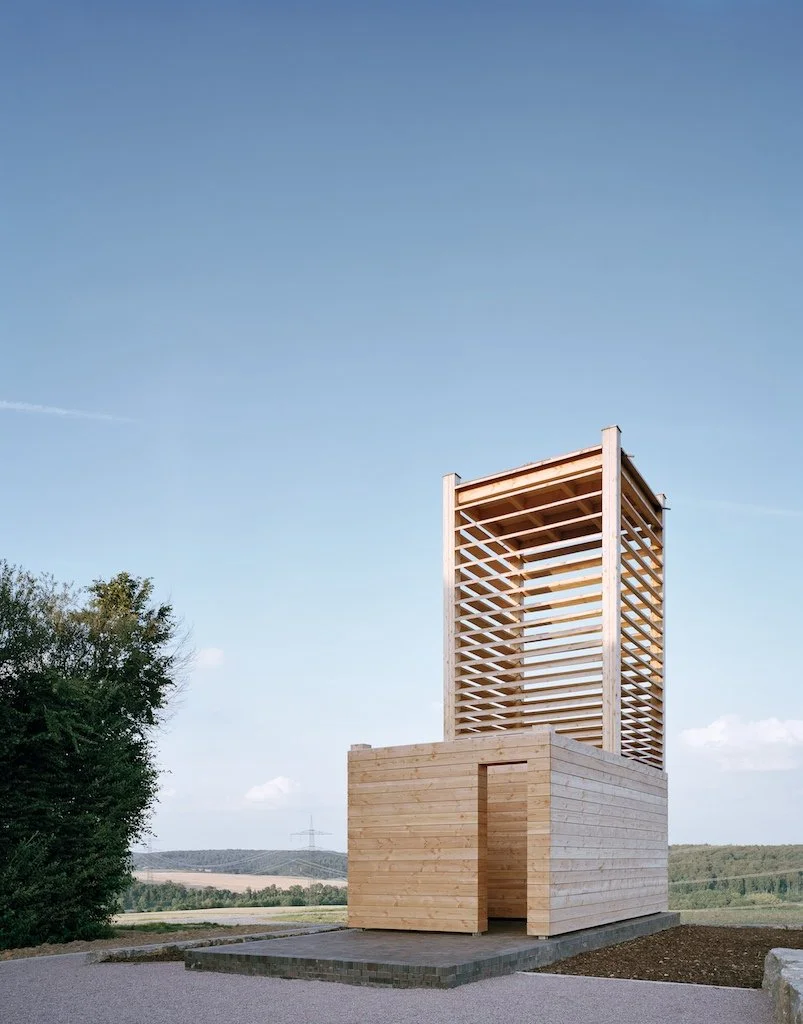
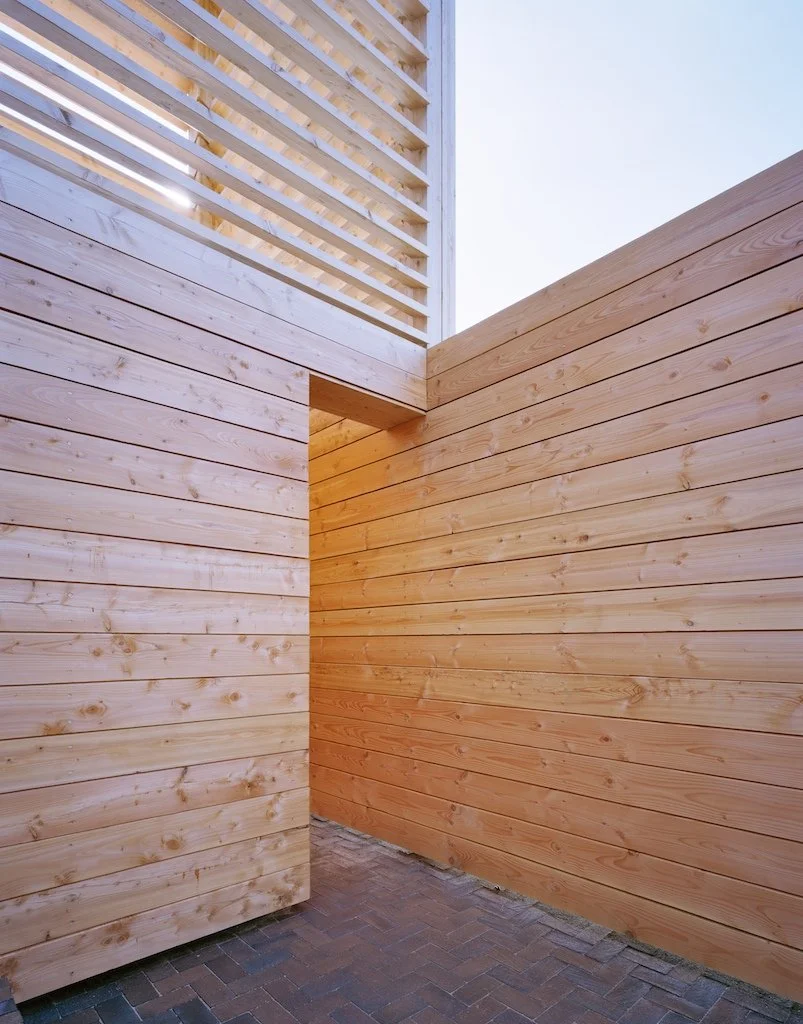
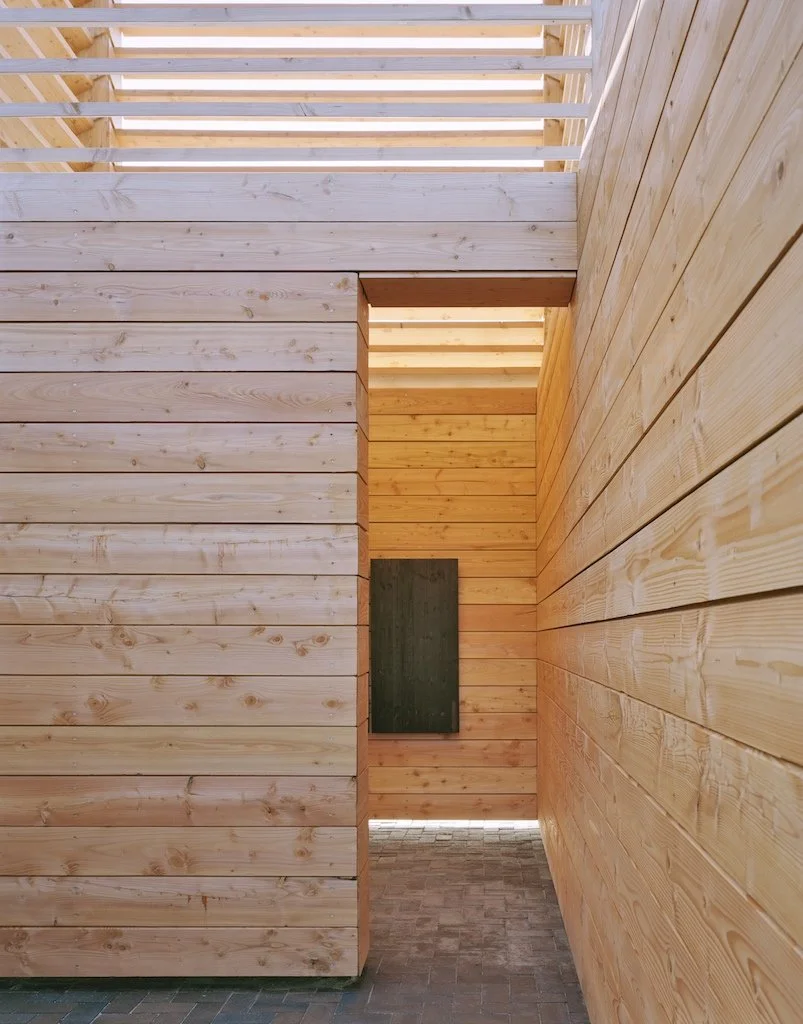
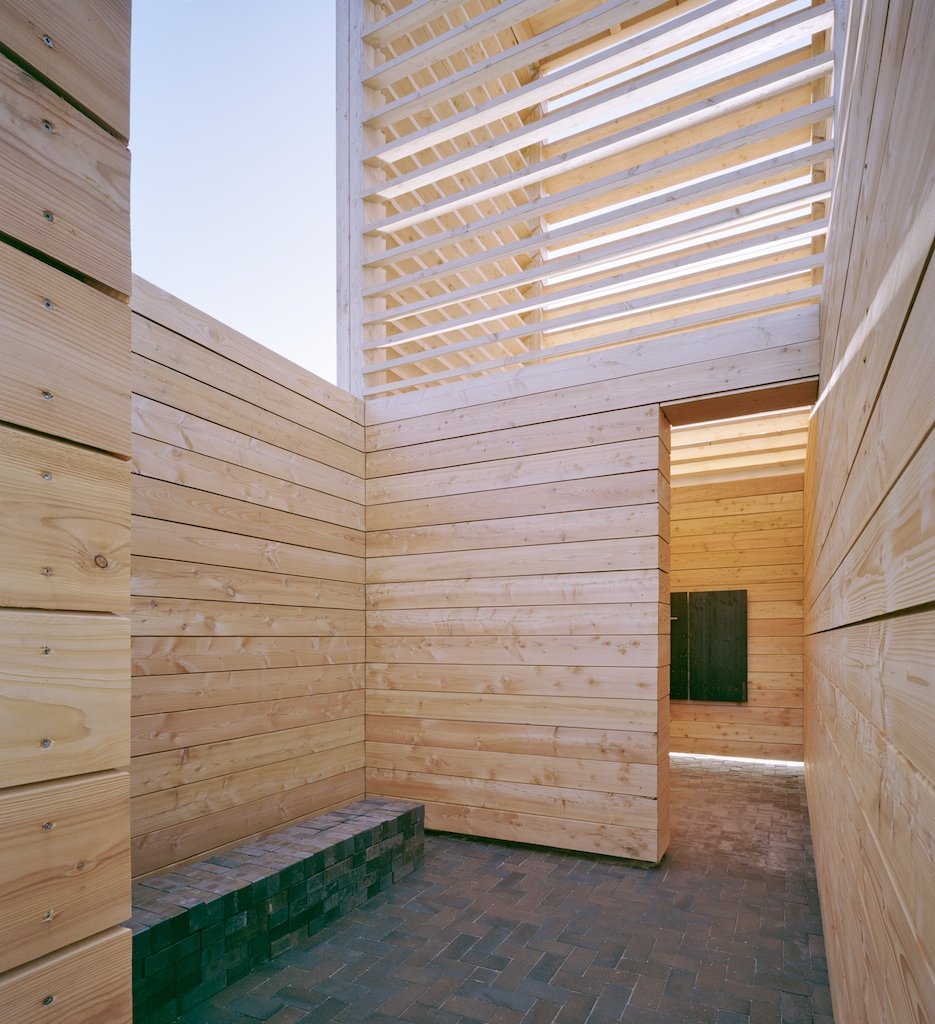
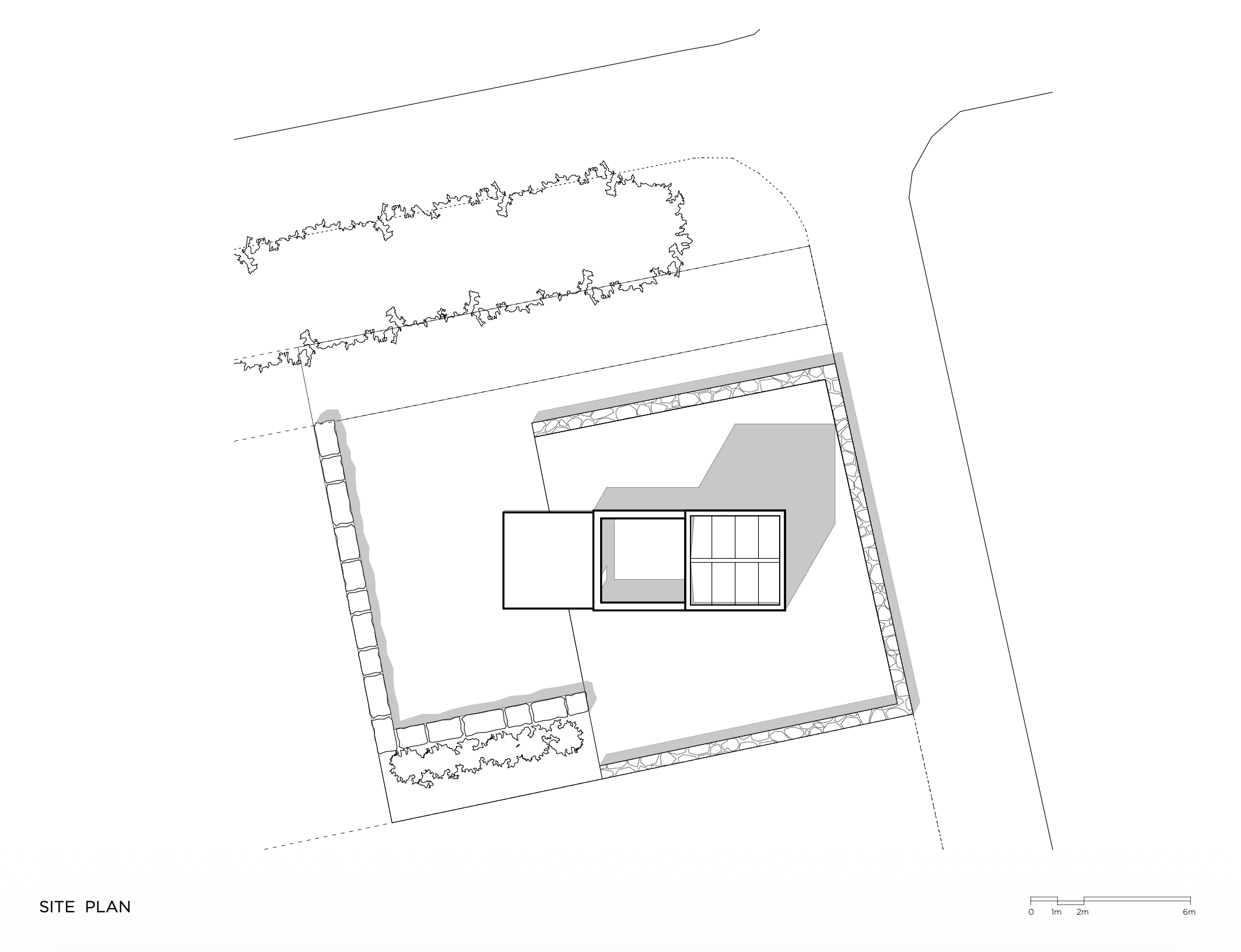
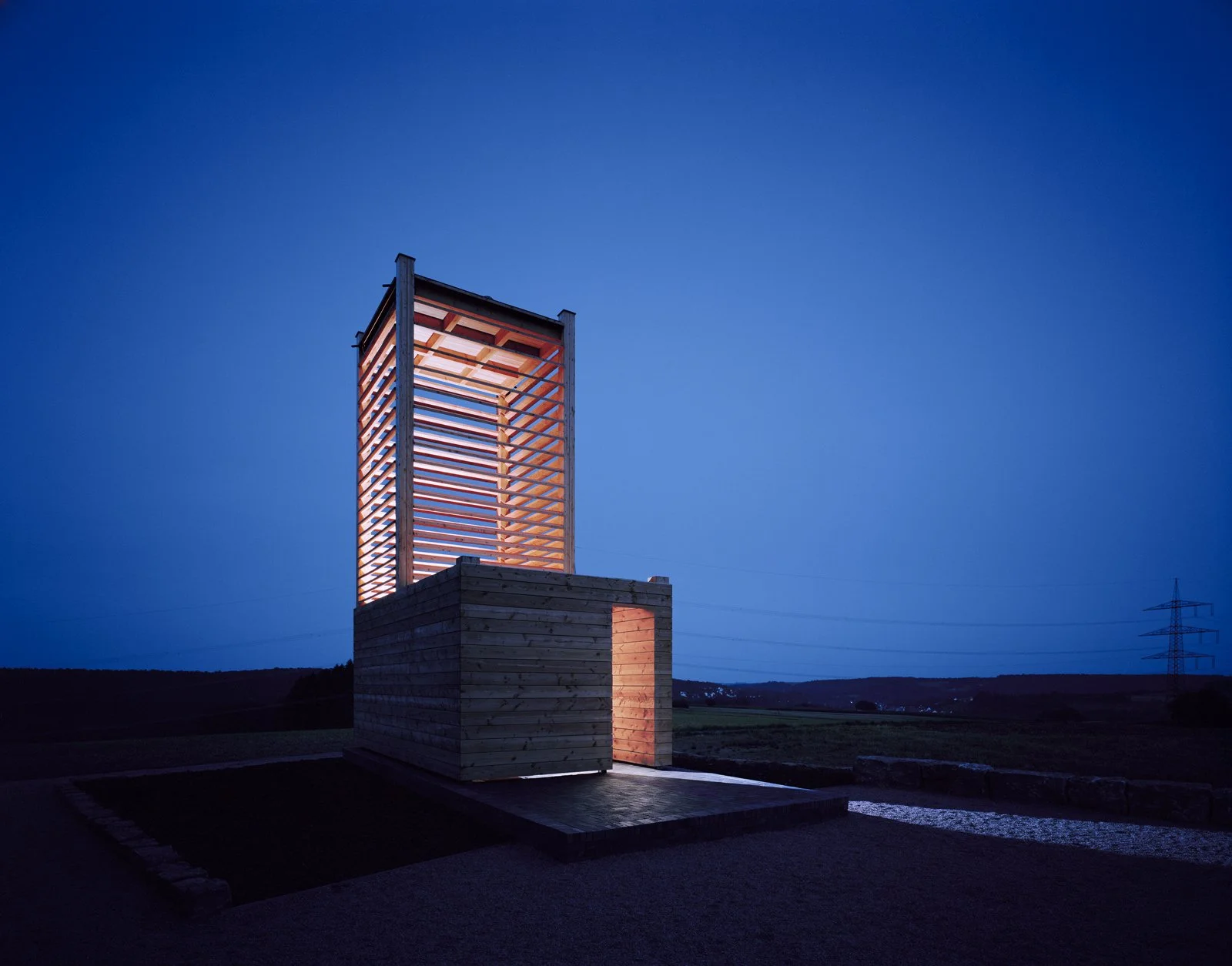
The chapel is only accessible by foot or bicycle, reinforcing its role as a destination reached with intention. Arrival unfolds gradually: a narrow path leads to a modest gravel forecourt defined by limestone benches, marking a threshold between everyday life and inward reflection. From this space, a raised brick platform guides visitors through an enclosed courtyard and into the sanctuary. The sequence is deliberate, moving from open field to protected interior, from the secular to the sacred.
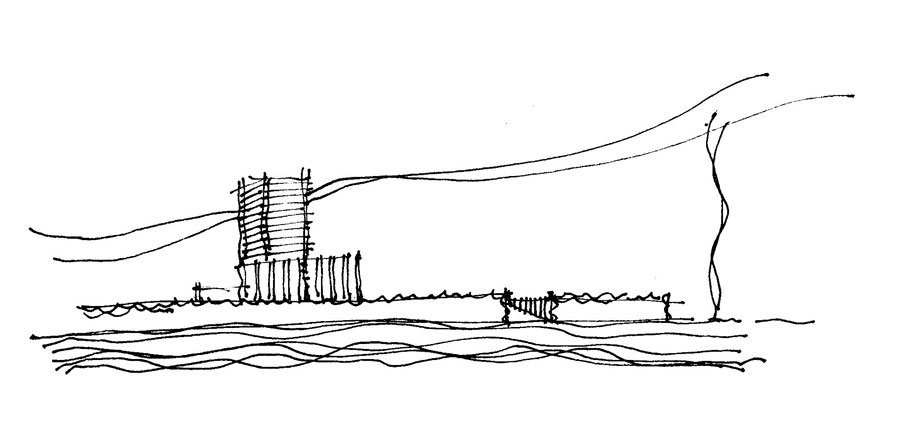
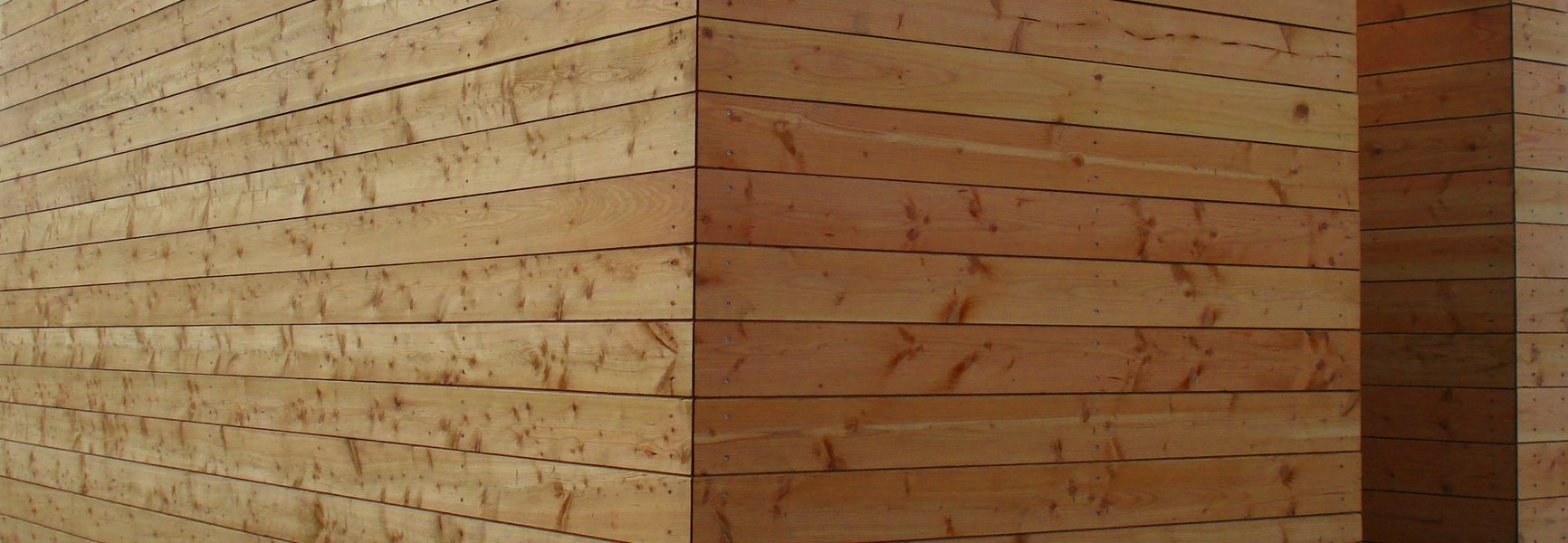
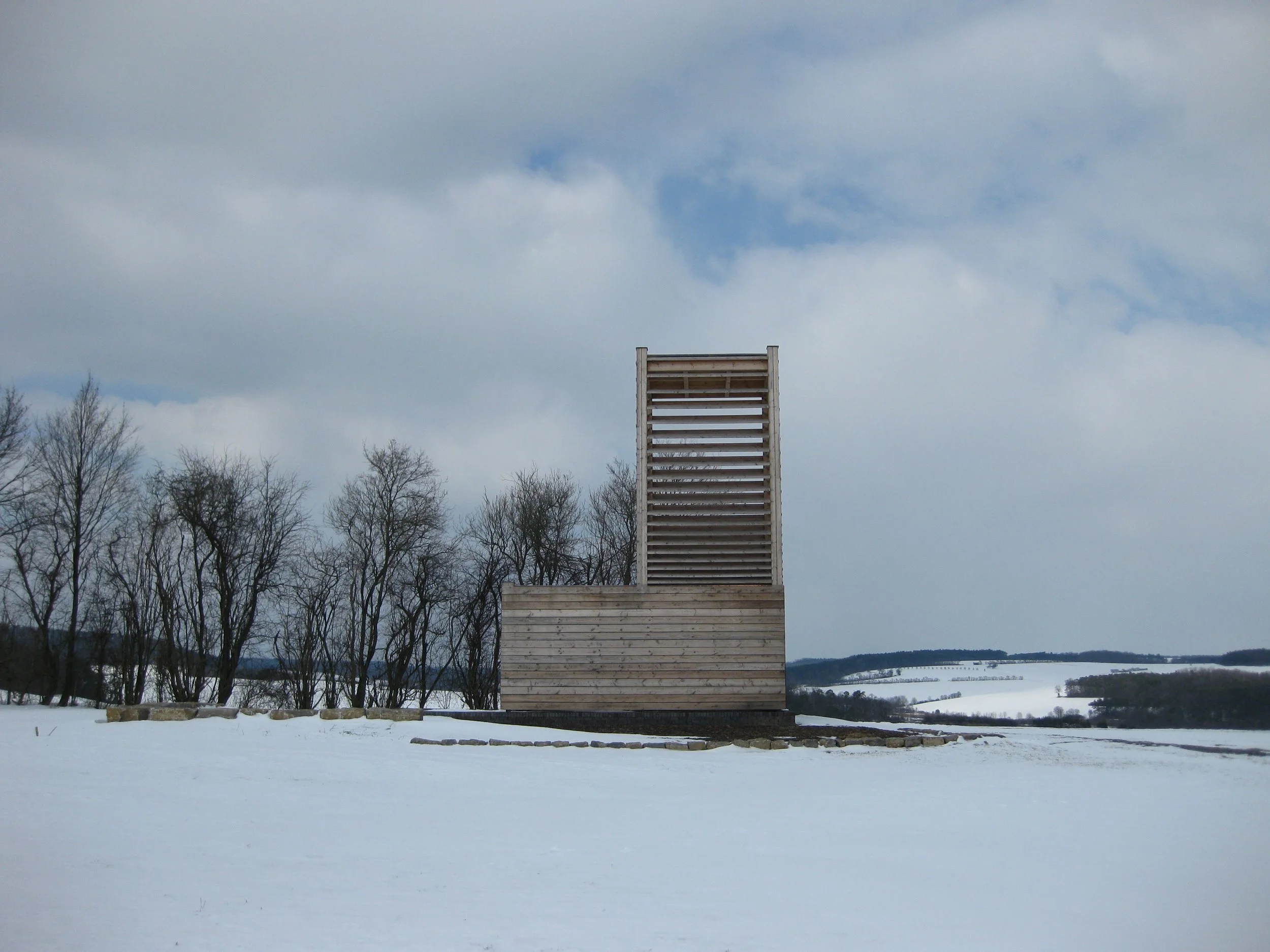
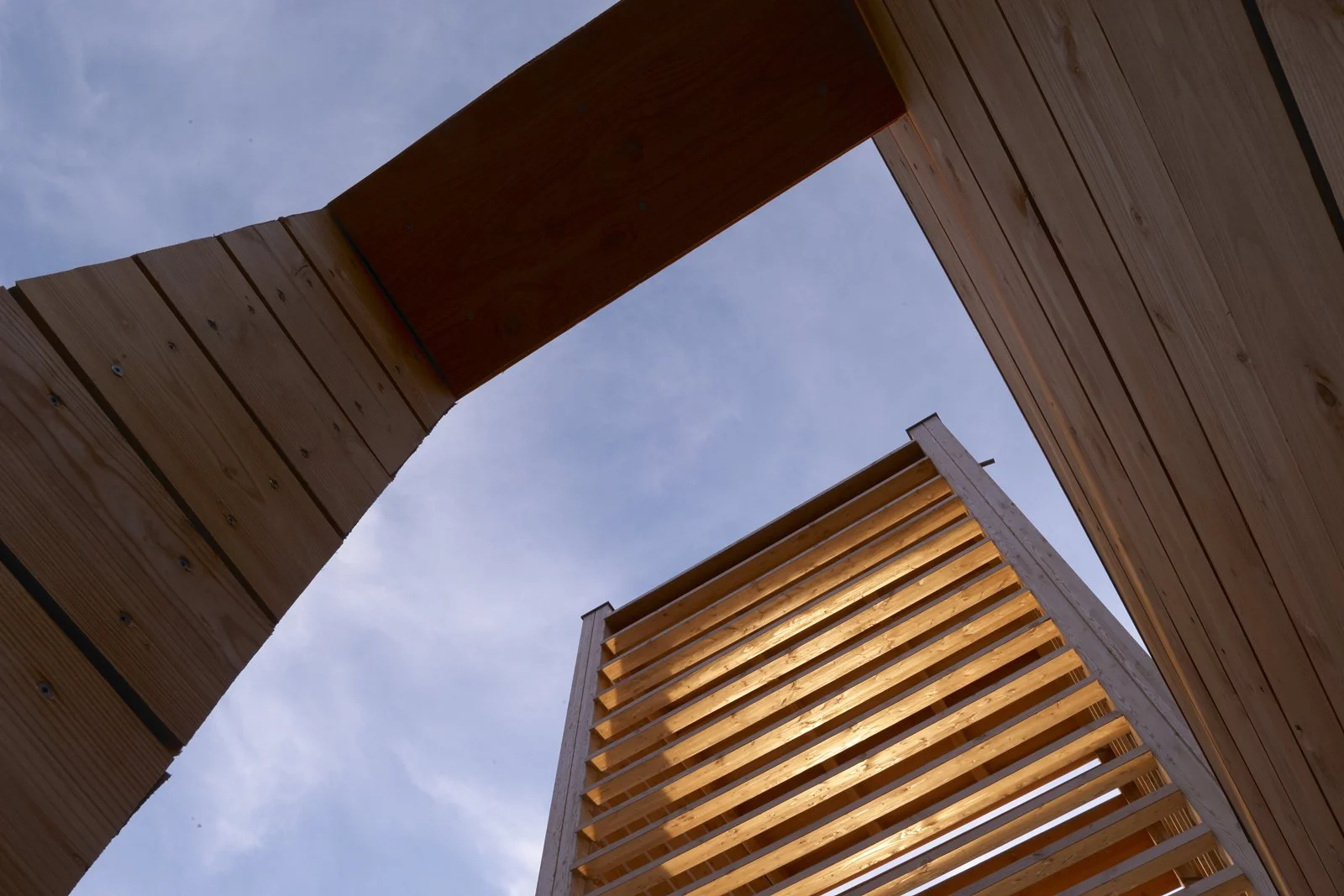
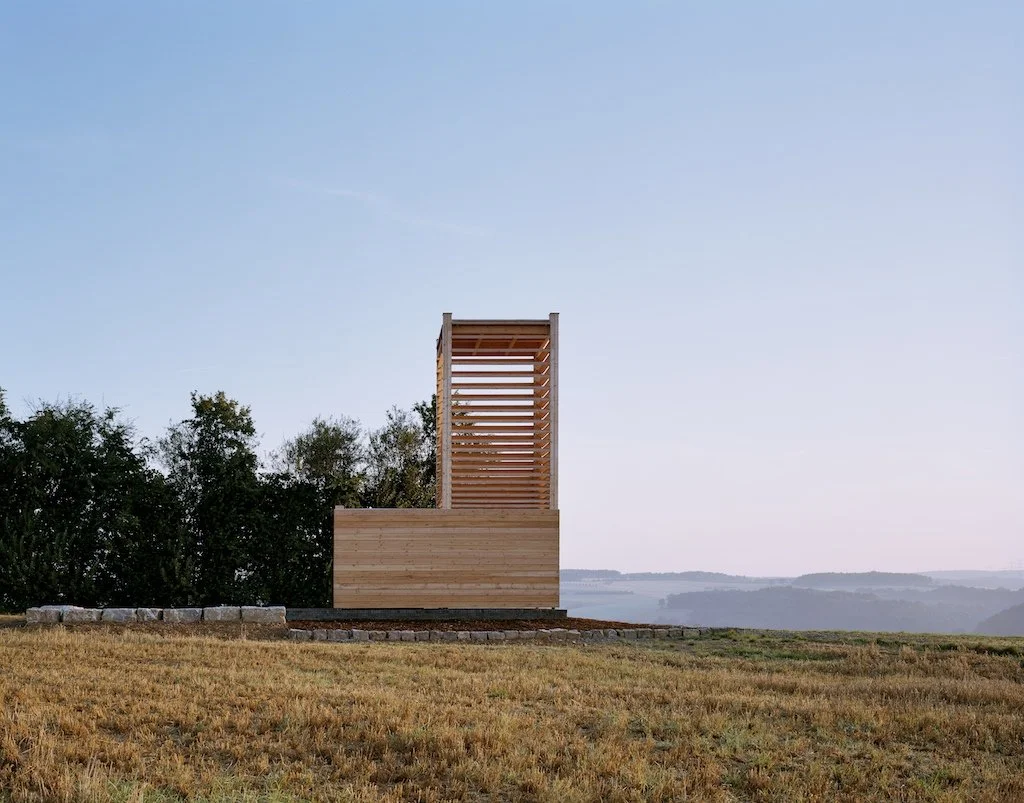
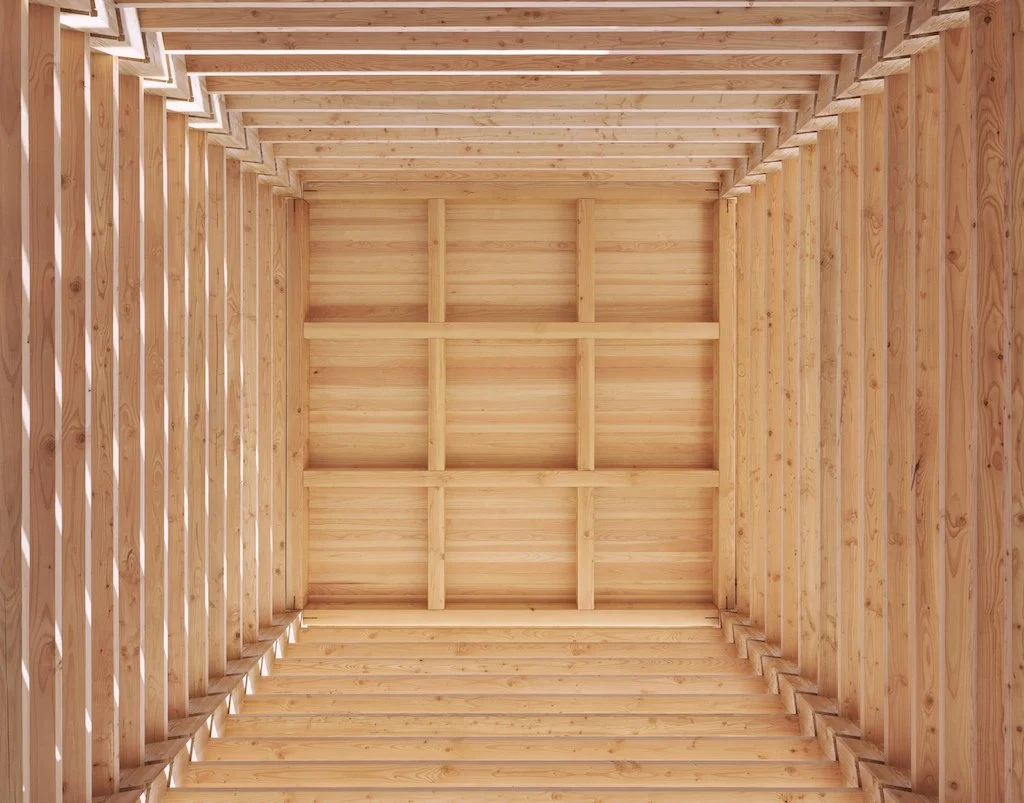
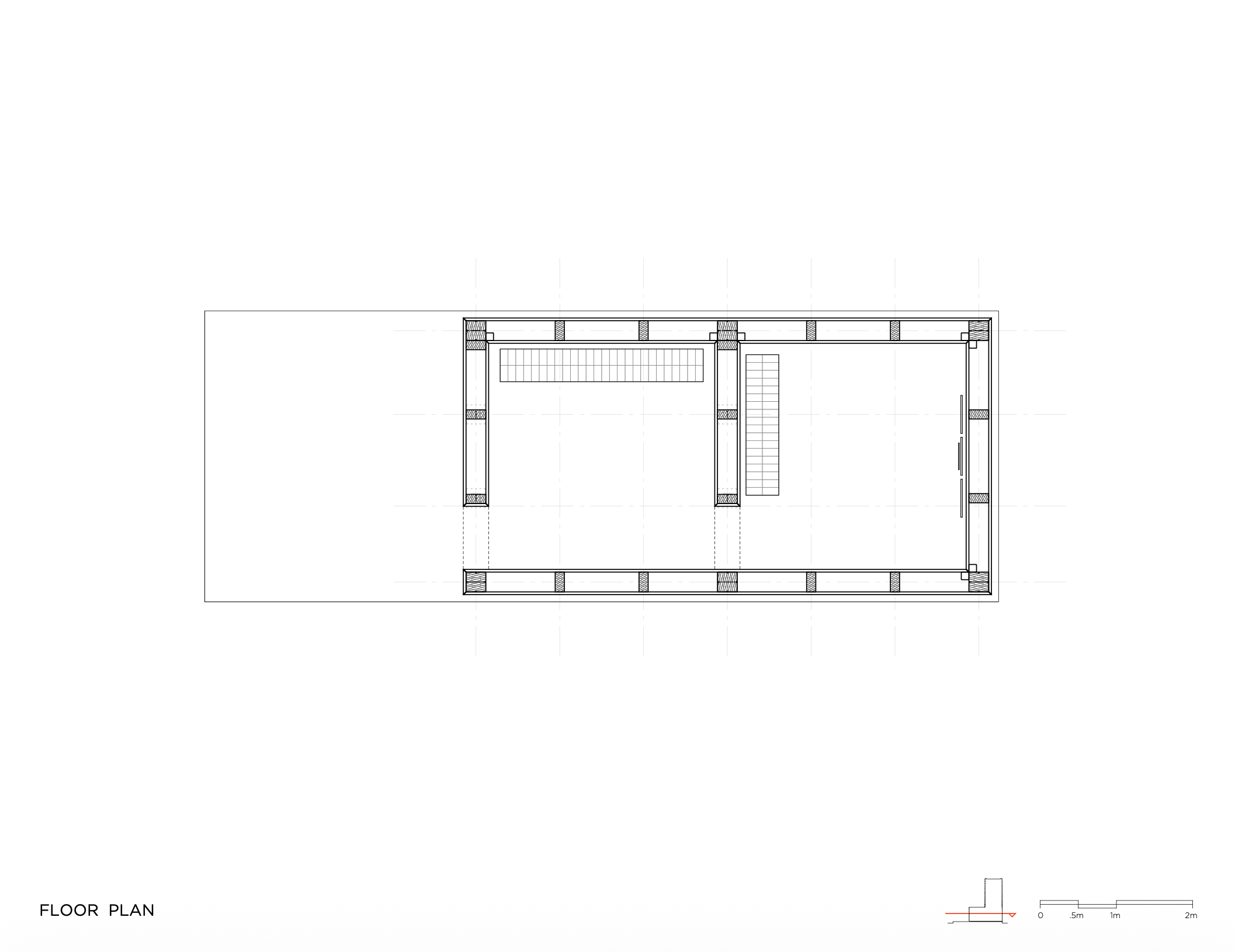
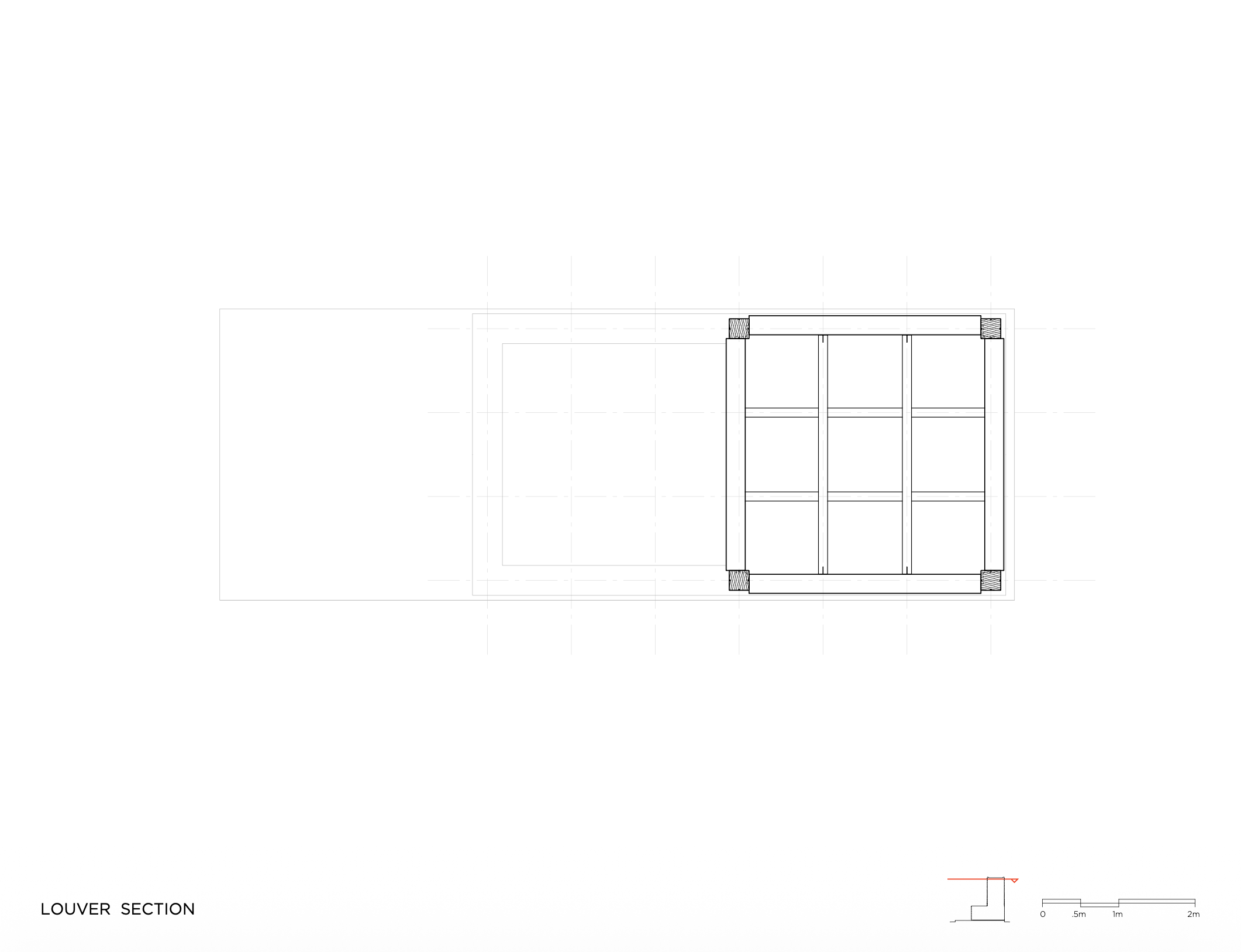
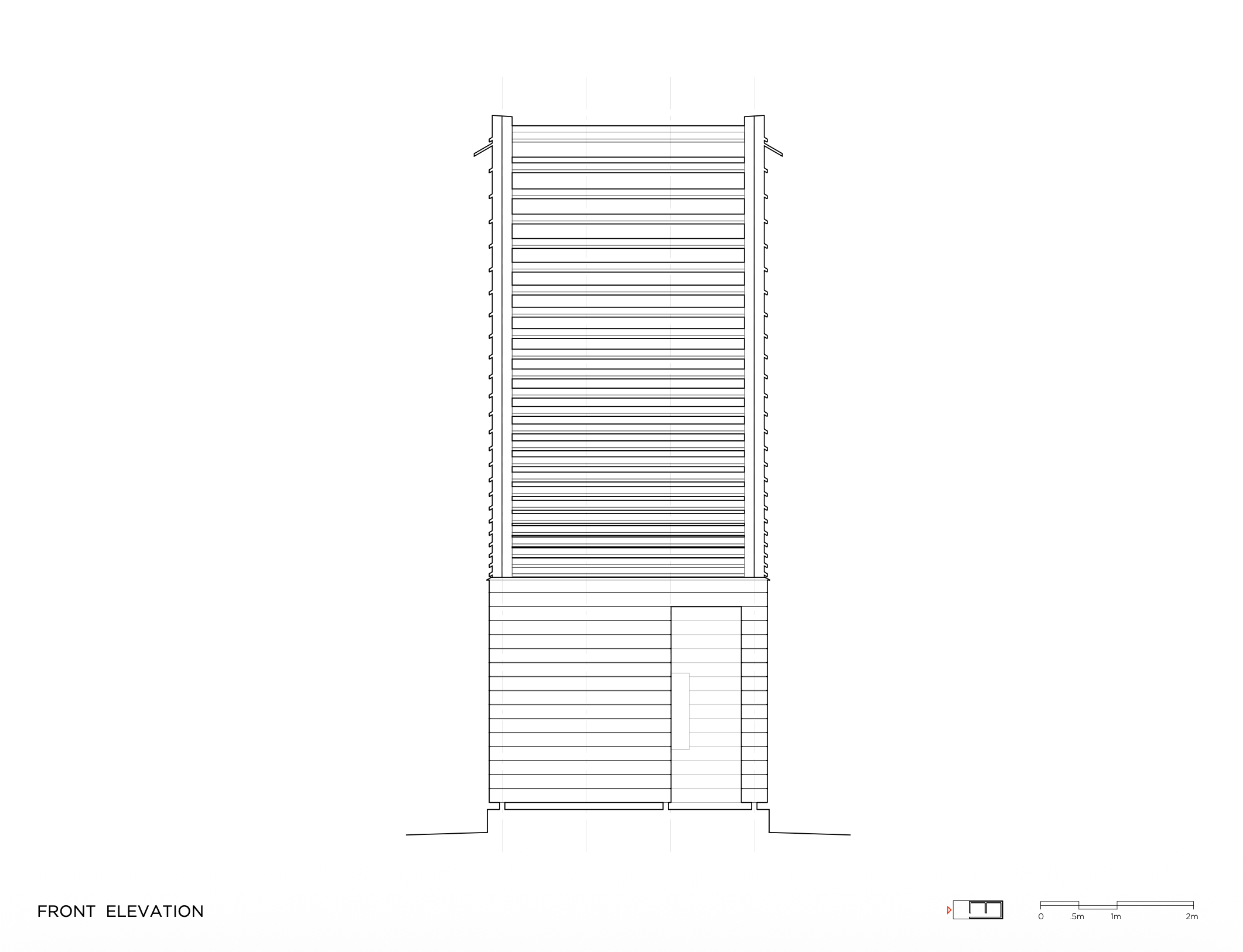
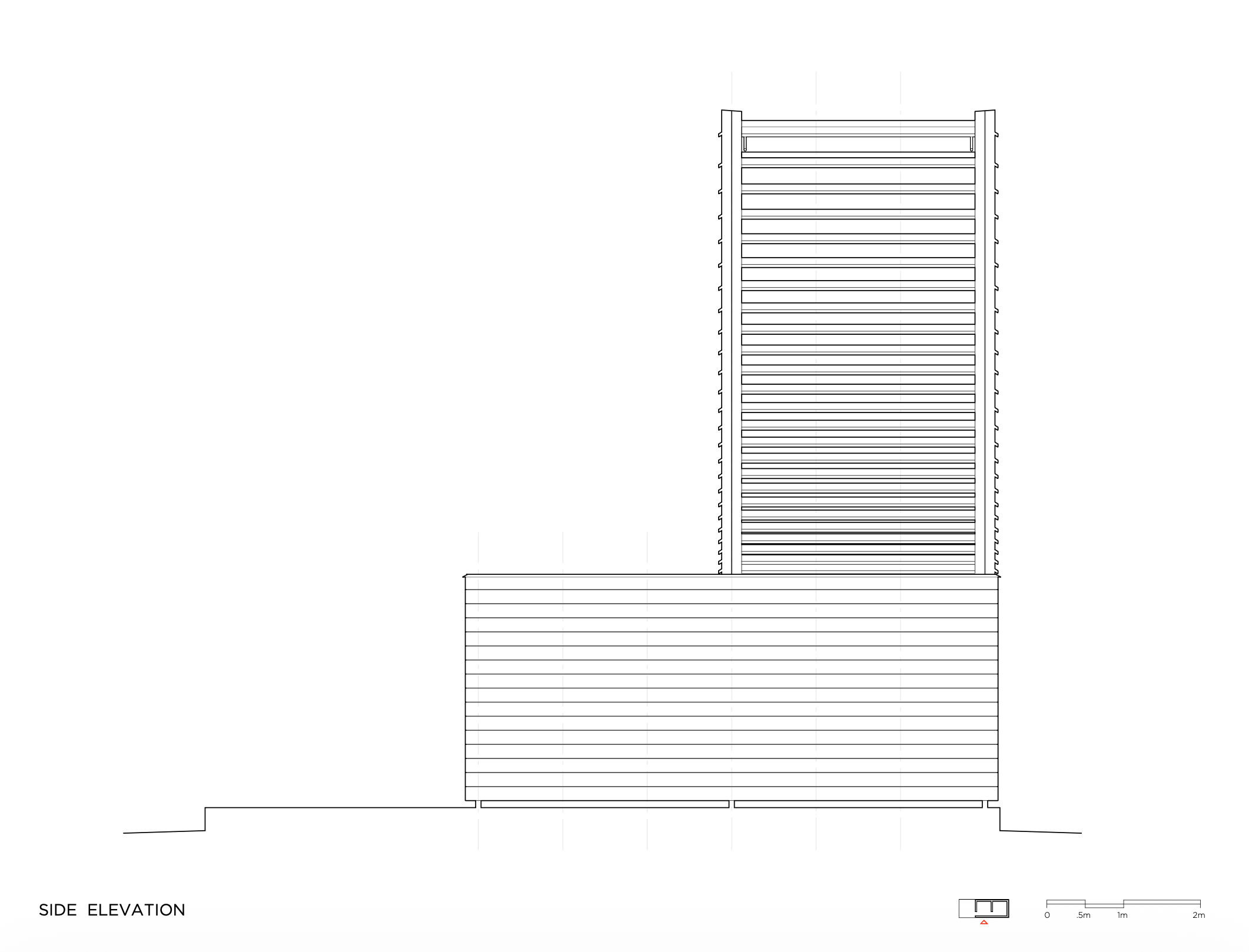
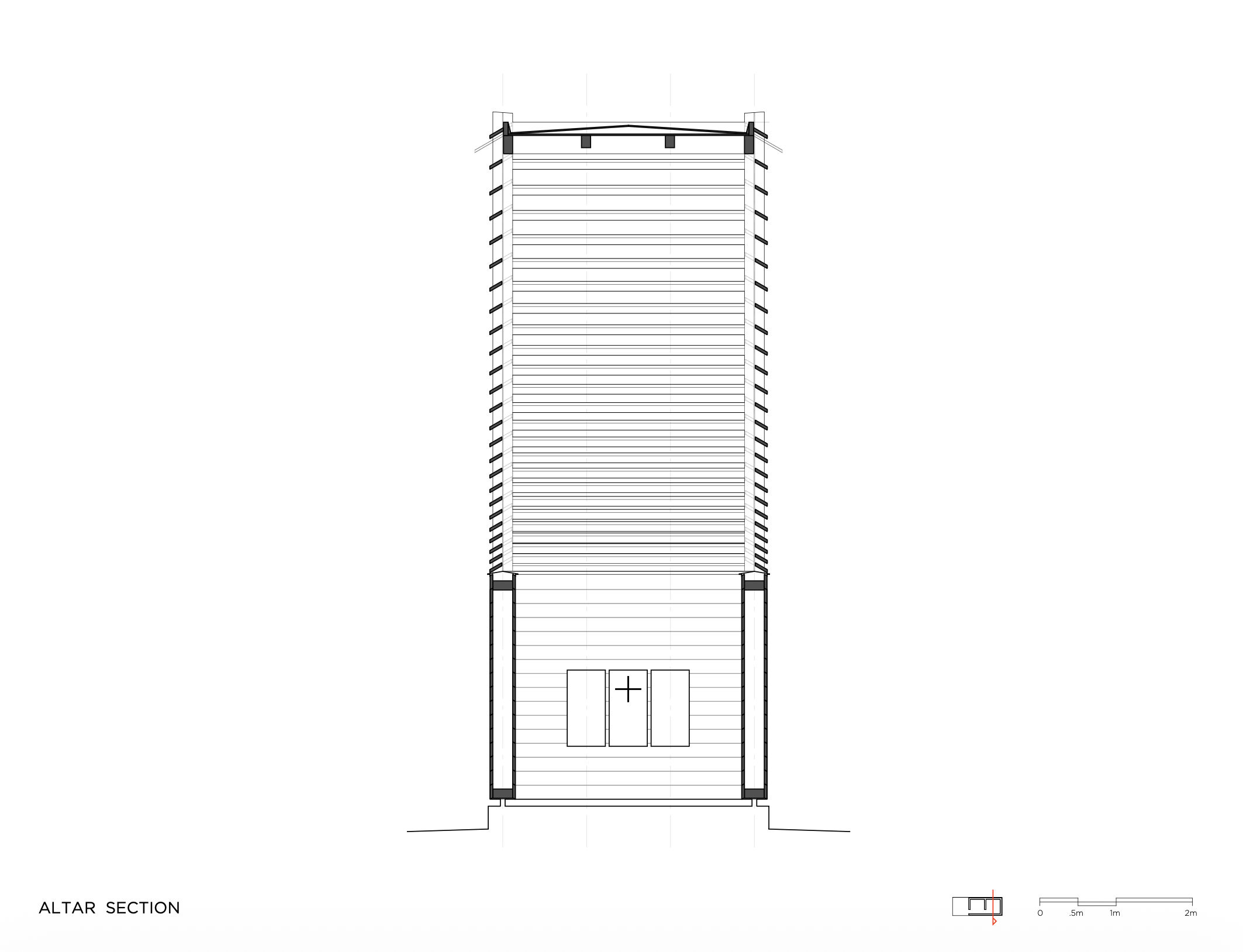
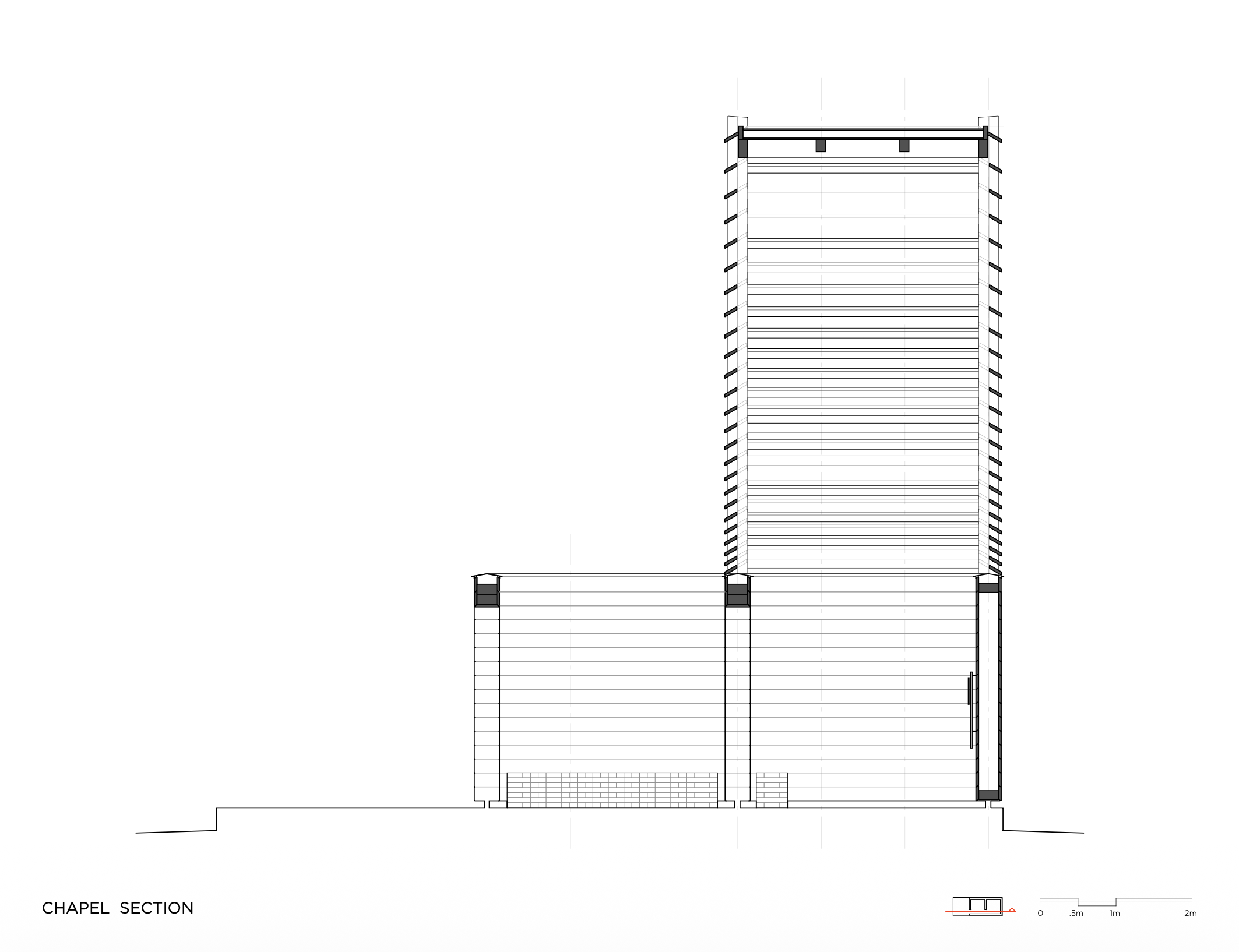
The structure is defined by a solid masonry base and a timber tower that rises lightly above it. The base anchors the building to the ground, while the tower becomes increasingly permeable as it ascends. Timber louvers are spaced progressively farther apart with height, creating a subtle expansion of light and shadow. From the exterior, the tower appears open and shifting. From within, the space reads as quiet, enclosed, and inwardly focused, animated only by changing light.

The Field Chapel stands as both a built work and a process. It reflects the power of collective effort, careful making, and architecture grounded in context, restraint, and care.
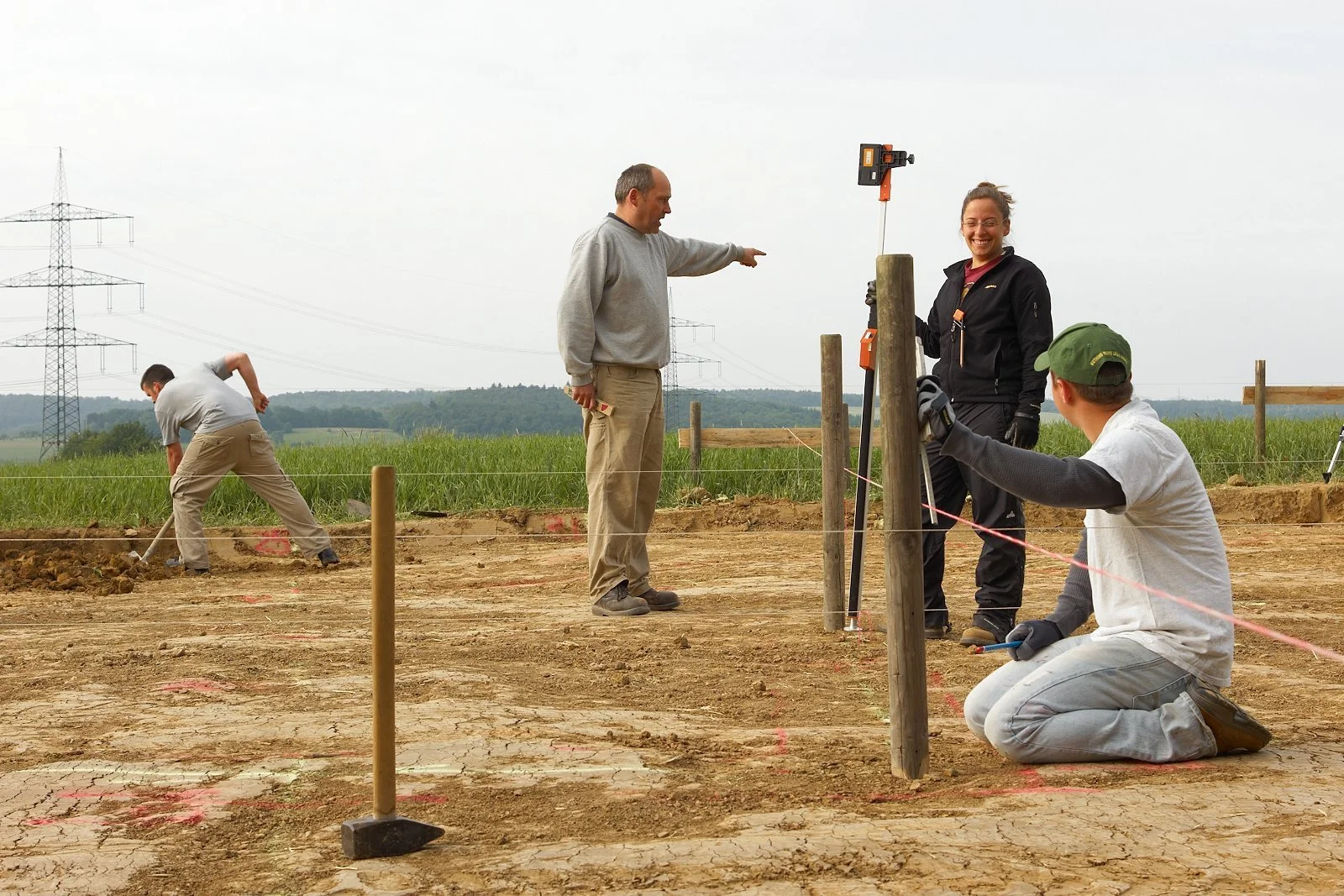
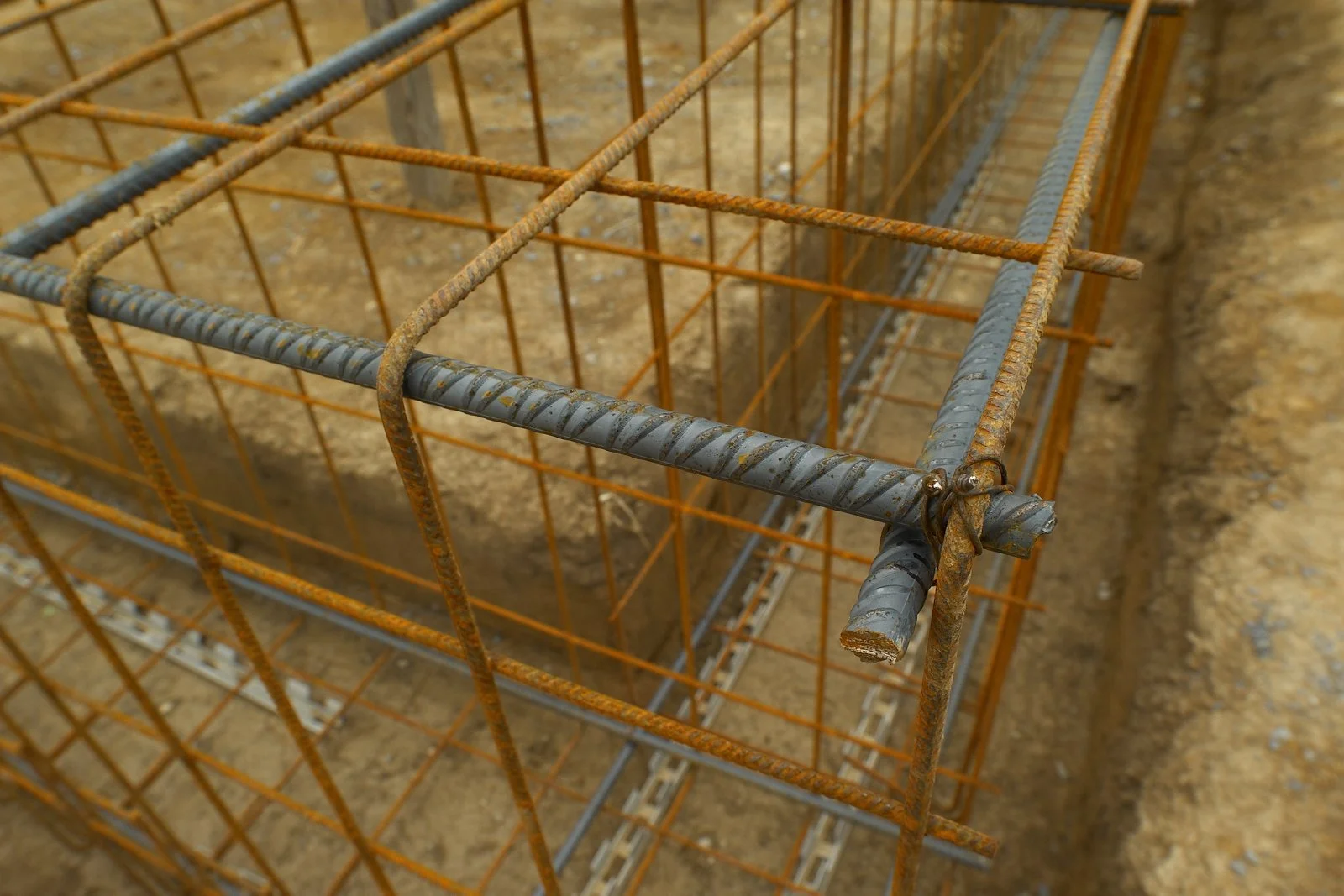
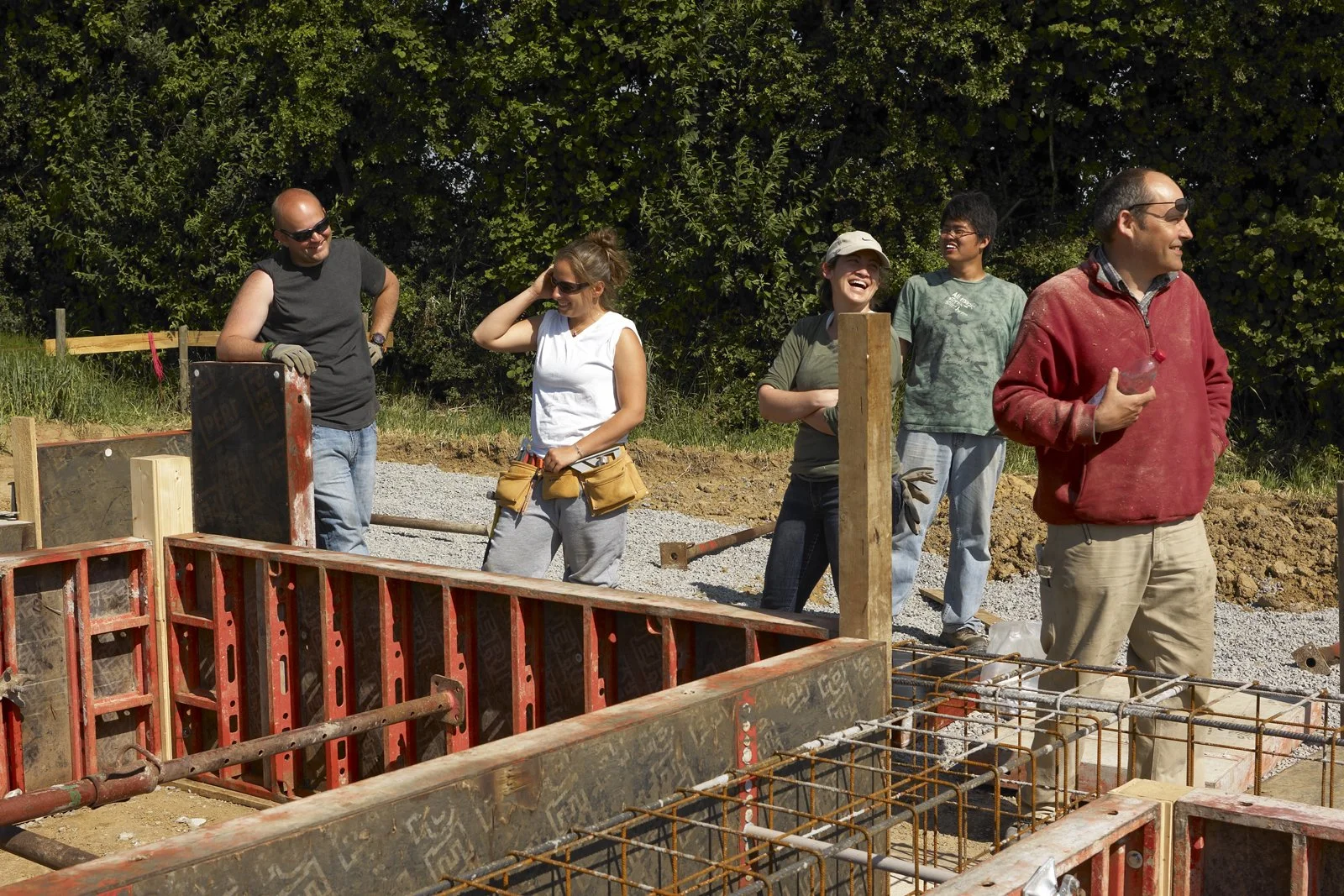
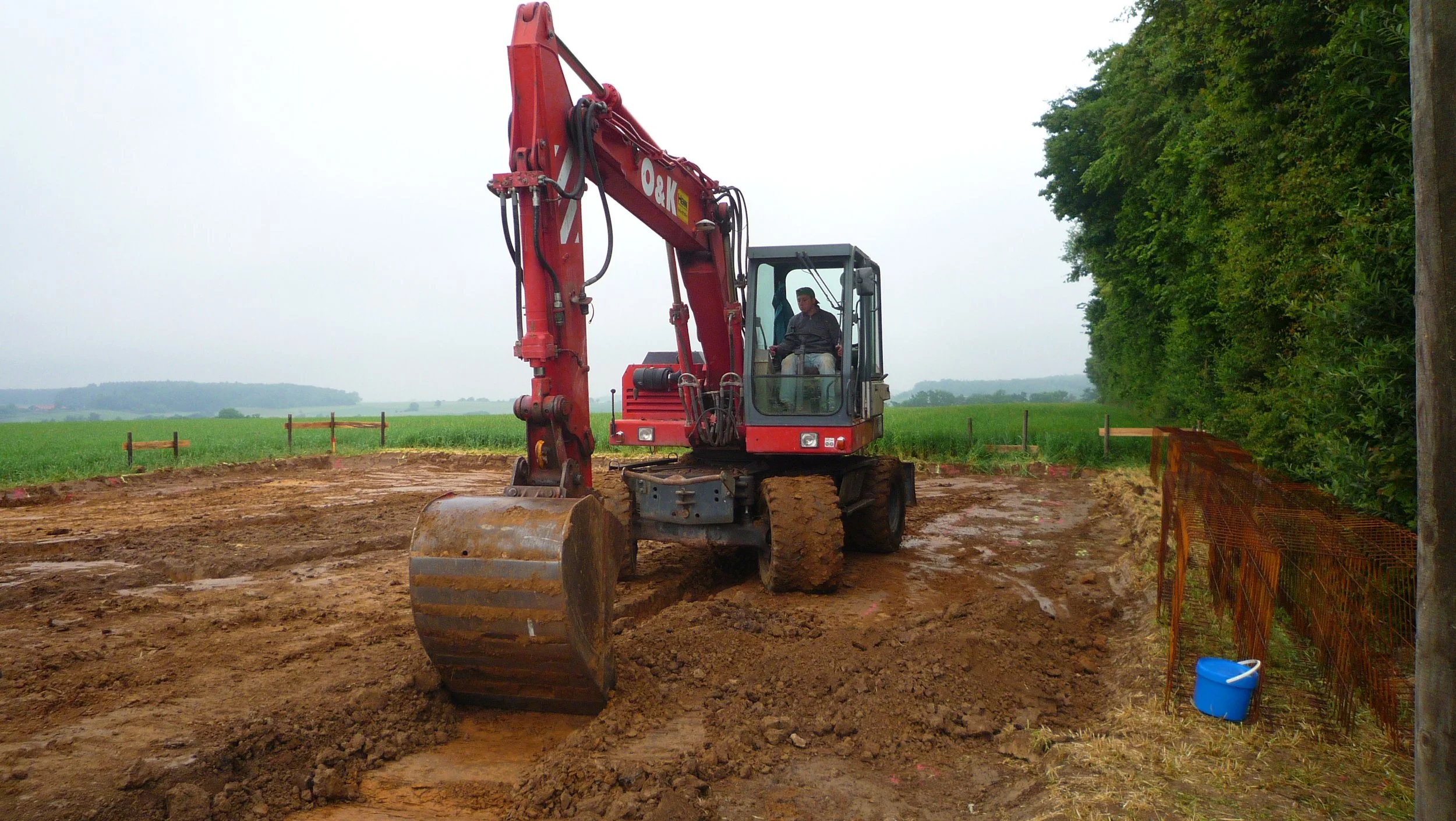
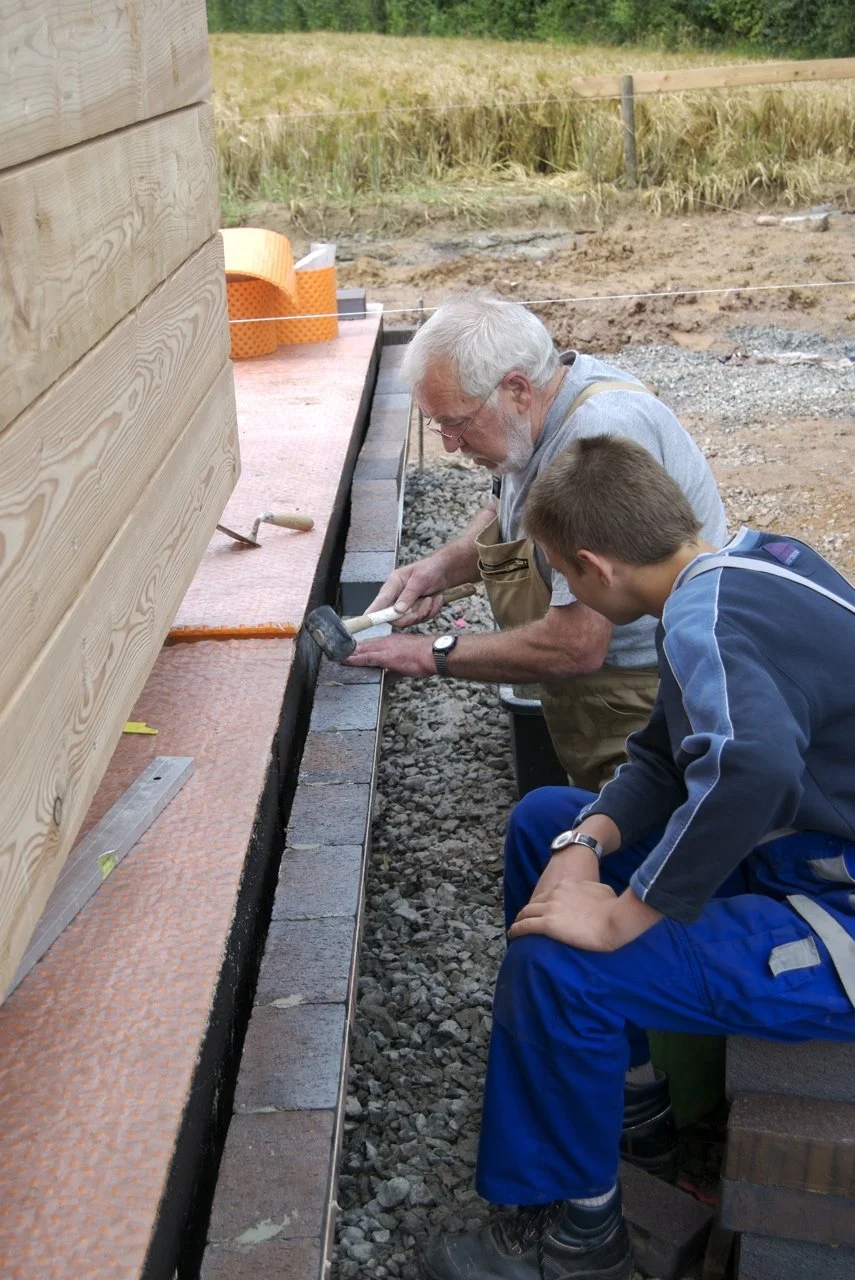
During the earliest phases of construction, the project shifted from drawings to the ground. Students, local craftspeople, and community members worked together to establish layout, align structure, and set the first points of reference in the field.
The process was direct but collaborative. Decisions were made on site, measurements were checked by hand, and design intent was tested against real site conditions. With no real separation between design and construction, the work emphasized clarity, shared responsibility, and practical problem solving, while adapting to weather, schedule pressures, and unforeseen constraints.
Before the chapel took physical form, it was defined by coordination, trust, and careful attention to place. These early steps established the foundation for a building shaped as much by its making as by its final form.
The chapel is designed to age with its surroundings. Untreated larch timber gradually weathers from warm tones to a soft silver gray, while stone and brick take on subtle marks of time and use.
As seasons shift from winter to spring, light, temperature, and landscape transform the experience of the building, allowing it to register change quietly and honestly. Weathering is not concealed but embraced, reinforcing the chapel’s connection to place, time, and the rhythms of the natural environment.
AWARDS
AIA Chicago Distinguished Building Award 2010
PHOTOGRAPHY
Brigida Gonzalez, John Ruffolo, Frank Flury, Kevin Kamien
2009